Approach

General Contractors of Leander — built for the fastest-growing market in Central Texas.

We are a full-scope commercial and industrial general contractor based in Leander, Texas. Our work covers the entire delivery path from early site planning through final owner handoff across Williamson and Travis Counties.

Who We Are

A Leander general contractor organized around owner outcomes, not just building delivery.

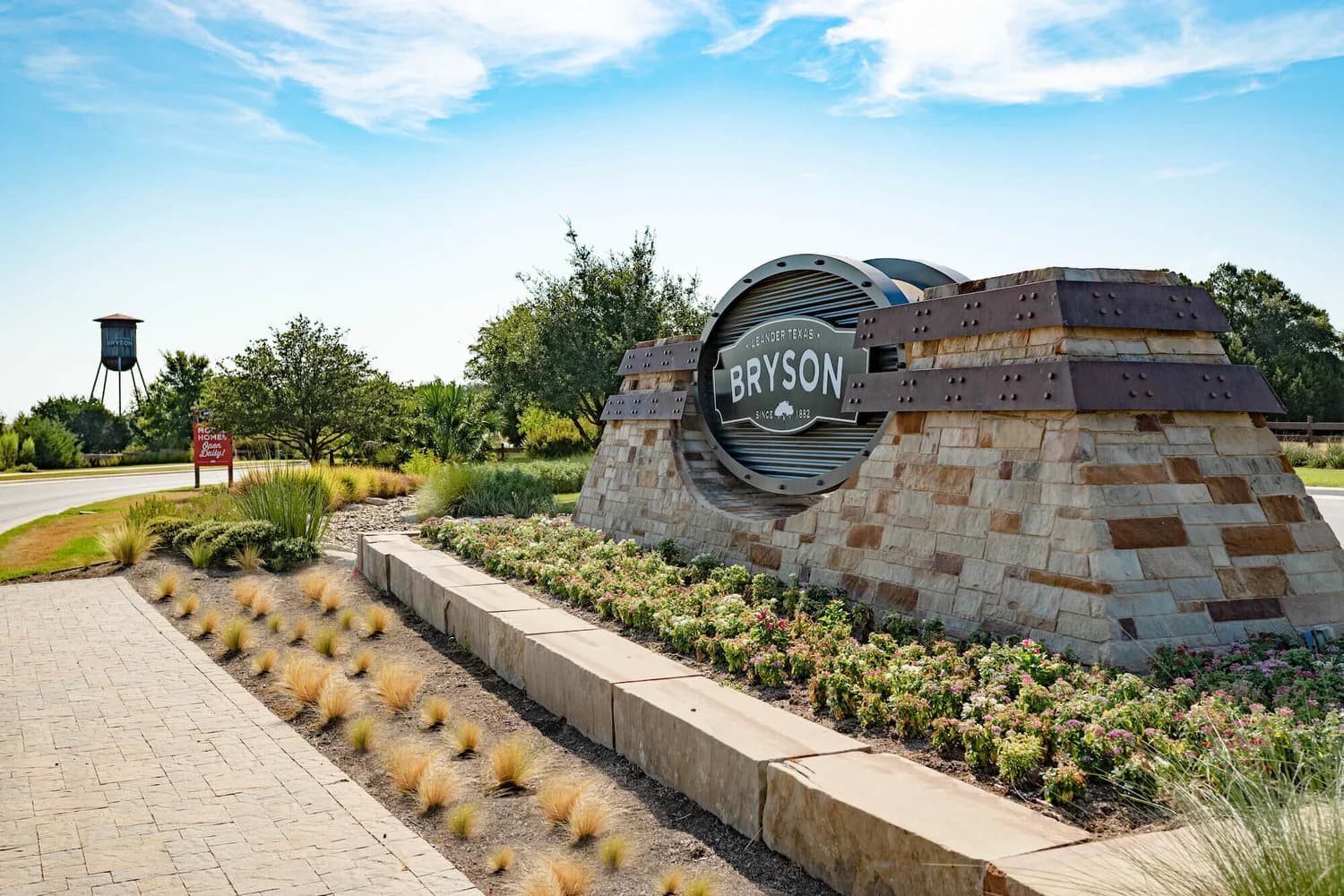
General Contractors of Leander operates out of Leander, Texas, a city that has spent the past decade earning its ranking as one of the fastest-growing municipalities in the United States. That growth has not been theoretical for us. We have watched Crystal Falls Parkway extend, seen the MetroRail terminus bring regional commuter infrastructure to our doorstep, and worked in the premium production communities — Travisso, Crystal Falls, Bryson — that have established a quality standard in northwest Williamson County that commercial owners on adjacent corridors now have to meet to compete.

The apple, Samsung, and Tesla tech-commuter workforce that has filled those neighborhoods created sustained demand for the commercial buildings we build: flex industrial, office, medical office, retail, warehouse, and owner-user service facilities across the full Leander-Cedar Park-Liberty Hill submarket and into Georgetown, Round Rock, Austin, Pflugerville, and the lake-area communities to the west. We cover that geography not because it is convenient, but because the same owners who develop a site in Leander often own adjacent property in Cedar Park or are evaluating a Liberty Hill tract as a lower-cost alternative. One contractor covering the whole submarket means one budget conversation, one schedule system, and one set of relationships with the consultants and trade partners who work across these corridors.

Our address is 901 Crystal Falls Pkwy, Suite 103 — literally on one of the primary commercial corridors we build on. That is intentional. Being inside the market we serve means we already know the Hill Country limestone and Edwards Aquifer recharge zone conditions that make western Leander and Lago Vista sites different from the flat suburban land east of I-35. We know that caliche and thin clay over limestone require subsurface attention before foundations are priced. We know that utility extension timing on the fringe of Liberty Hill controls the schedule more than the GC ever will. Those are not lessons we bring in from outside; they are facts we have already absorbed.

Site-first preconstruction

We start with the actual property — the terrain, the utilities, the access geometry, and the subsurface — because the Hill Country limestone and caliche conditions that run through Leander, Liberty Hill, and the Lago Vista corridor cannot be solved from a generic template. That means geotechnical coordination, utility confirmation, and civil-sequencing decisions happen in preconstruction, not in the field where changes cost more.

One accountable team

Commercial and industrial projects in this part of Williamson and Travis Counties rarely have simple scope boundaries. Site development, shell delivery, procurement, field execution, and turnover all affect each other. We manage those handoffs as one general contractor rather than passing them between separate trade packages, which keeps the schedule and the budget in the same conversation.

Turnover built into the schedule

Closeout discipline starts at the beginning. Commissioning, punch, training, and final owner-readiness milestones are mapped from the first schedule version so they are not discovered as surprises in the last three weeks of a project. That protects the owner's operating start date regardless of what the market around us is doing.

What We Build and Where

Full-scope commercial and industrial construction across the Leander metro and Central Texas.

Our project scope runs from tilt-wall warehouses and PEMB metal buildings on large Williamson County tracts to medical office expansions near Cedar Park Regional Medical Center, flex industrial campuses along US 183A, outdoor storage developments on caliche ground in Liberty Hill, and tenant improvement work in the mature commercial buildings of Brushy Creek and Jollyville. We also support corporate office and mission-critical work in Round Rock and Austin, where the Dell campus corridor and the tech-employer cluster have kept commercial construction active through cycles that have slowed other Texas markets.

The LISD school district — which feeds Vandegrift and Glenn high schools and consistently ranks among the top-rated districts in Texas — is a significant part of why the Leander residential market has absorbed as many tech-industry households as it has. Those families bring demanding quality expectations to every commercial building they walk into, from the pediatric clinic to the neighborhood retail strip to the flex industrial facility where someone they know works. We build to those expectations because the market has already set them, and owners who try to deliver below that standard find it in their lease-up timeline.

Leander construction support imagery

Who We Work With

Commercial and industrial buyers who need full-scope accountability from start to finish.

  • Owners who need a realistic budget before drawings are complete and before commitments are locked.
  • Developers who need one delivery partner to connect site release, procurement, shell, and tenant-ready turnover without managing it themselves.
  • Operators who need the finished building to support their daily operations from day one, not after a separate round of warranty corrections.
Start a project conversation

How We Work

Preconstruction is where Leander projects are won or lost.

The fastest-growing city designation that Leander has carried for several years does not mean construction here is easy. It means the market is moving faster than infrastructure can always keep up with, which creates real risk for owners who assume that a Leander address automatically comes with ready utilities, cleared permitting, and available trade capacity. It does not. Our preconstruction process exists specifically to close the gap between what the site appears to offer and what it will actually deliver on schedule.

We map utility availability before budgets are locked. We confirm geotechnical conditions — because caliche and limestone behavior can vary block by block in the areas west of Ronald Reagan Boulevard — before foundations are priced. We track the Capital Metro MetroRail corridor impact on material delivery routing for sites near the Leander Station terminus. And we schedule permit submittals based on Leander, Cedar Park, Liberty Hill, and Travis County review timelines that we have already navigated, not on optimistic assumptions about average approval speeds.

That same discipline extends into execution. Our field teams use weekly look-aheads and issue tracking that forces decisions to the surface before the field is blocked, not after. Trade partner schedules are aligned with procurement lead times and inspection milestones rather than treated as independent commitments. Owner updates are structured around decision points that matter — not just progress photos — so the people who have to approve changes or extend commitments have the information they need before the window closes.

What we are building toward, on every project, is a finished commercial or industrial facility that works exactly the way the owner planned and that can support the operations it was built for from the first day of occupancy. Leander and the surrounding Williamson County market will continue to grow. The projects we deliver in this cycle will be standing and operating through that growth. We want them to reflect the standard the market is setting, not fall short of it.

If you have a commercial or industrial project anywhere in the Leander metro — from a Liberty Hill outdoor storage development to a Cedar Park medical office expansion to a Georgetown business park — reach out and share the basics: address, intended use, approximate size, and timeline. We can identify the right starting point within a day and give you a preconstruction path that reflects what the site and market actually require rather than what a generic proposal assumes.

Request Planning