
Growth Corridors
Coverage stays tied to nearby Central Texas markets where access, utility timing, and corridor development are shaping real commercial and industrial demand.
Markets
Coverage stays close to Leander and the surrounding Central Texas cities where commercial and industrial owners need the same disciplined general-contractor delivery model.
Regional Coverage
Coverage is centered on Leander and the Central Texas markets where owners and developers are actively delivering warehouse, commercial, industrial, outdoor storage, office, and renovation projects. Each market entry explains why that city matters and how the construction strategy should respond to local conditions.
The result is coverage that stays grounded in access, utilities, growth patterns, site geometry, and property use instead of recycling the same thin copy across every city.
Coverage stays tied to nearby Central Texas markets where access, utility timing, and corridor development are shaping real commercial and industrial demand.
Coverage stays focused on cities where warehouse, industrial, office, retail, and outdoor storage projects make practical sense.
Each market is grounded in site conditions, circulation, and sequencing priorities instead of generic duplicated city text.
Central Texas Footprint
Leander is the anchor, but the surrounding markets matter because the same project realities keep showing up across the region: access planning, utility timing, shell sequencing, and turnover discipline.
Nearby Markets
Each market page is there to help owners and developers think through site fit, delivery sequencing, and where a given project belongs in the broader regional construction pipeline.
Start a local market review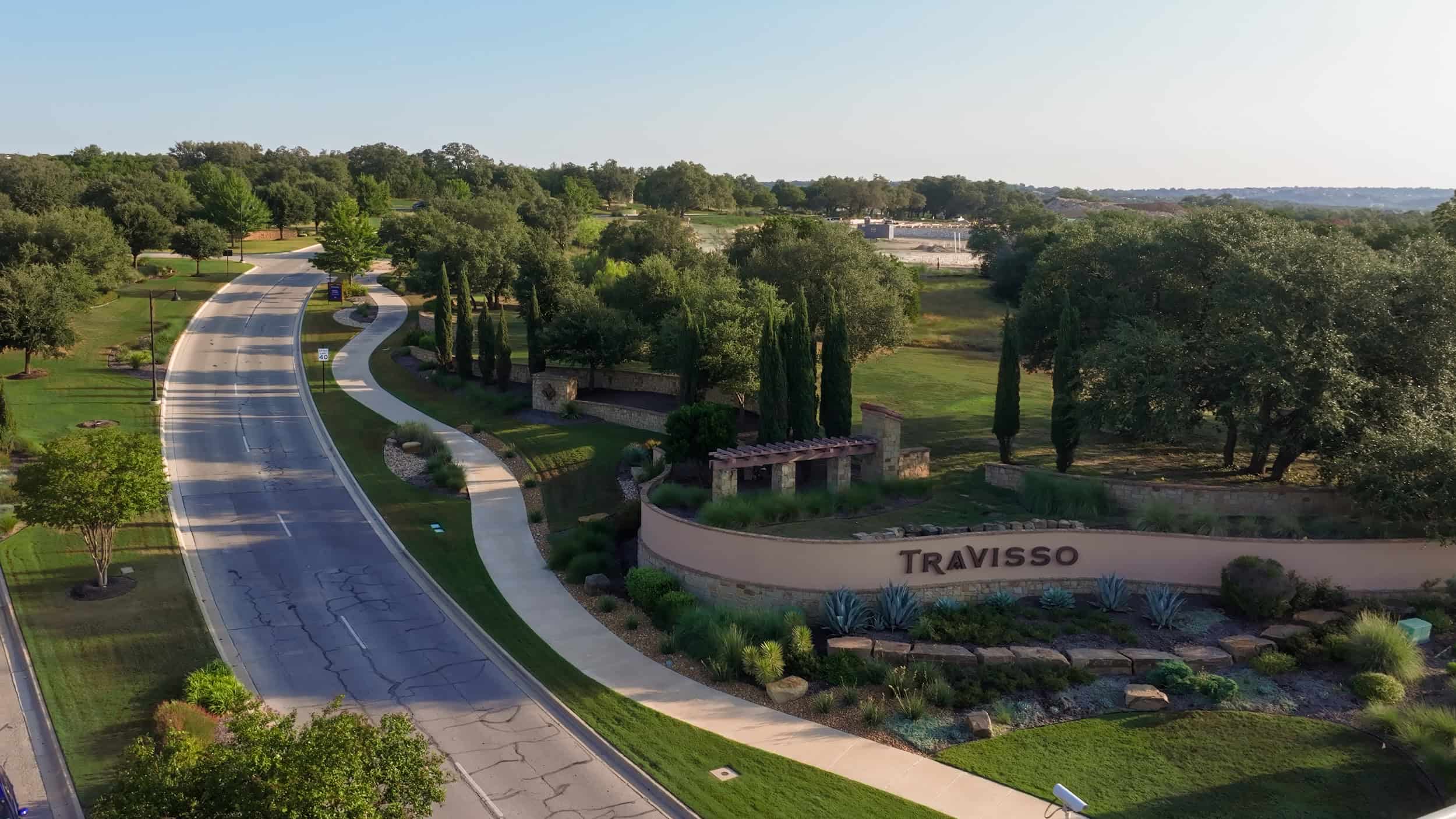
Leander has ranked among the fastest-growing cities in the United States for several consecutive years, a distinction that creates real urgency around infrastructure timing, site readiness, and disciplined delivery for any commercial or industrial project here. Located at the northwestern edge of the Austin metro in Williamson County, Leander sits squarely in the Apple, Samsung, and Tesla tech-commuter corridor, drawing households priced out of central Austin and generating sustained demand for office, flex industrial, retail, and service commercial buildings across every major growth corridor. The MetroRail terminus at Leander Station anchors the northwest end of Capital Metro's Red Line and pushes daily commuter traffic through downtown Leander and into Cedar Park, giving commercial property on those corridors regional visibility that smaller Texas cities cannot match.
Open location page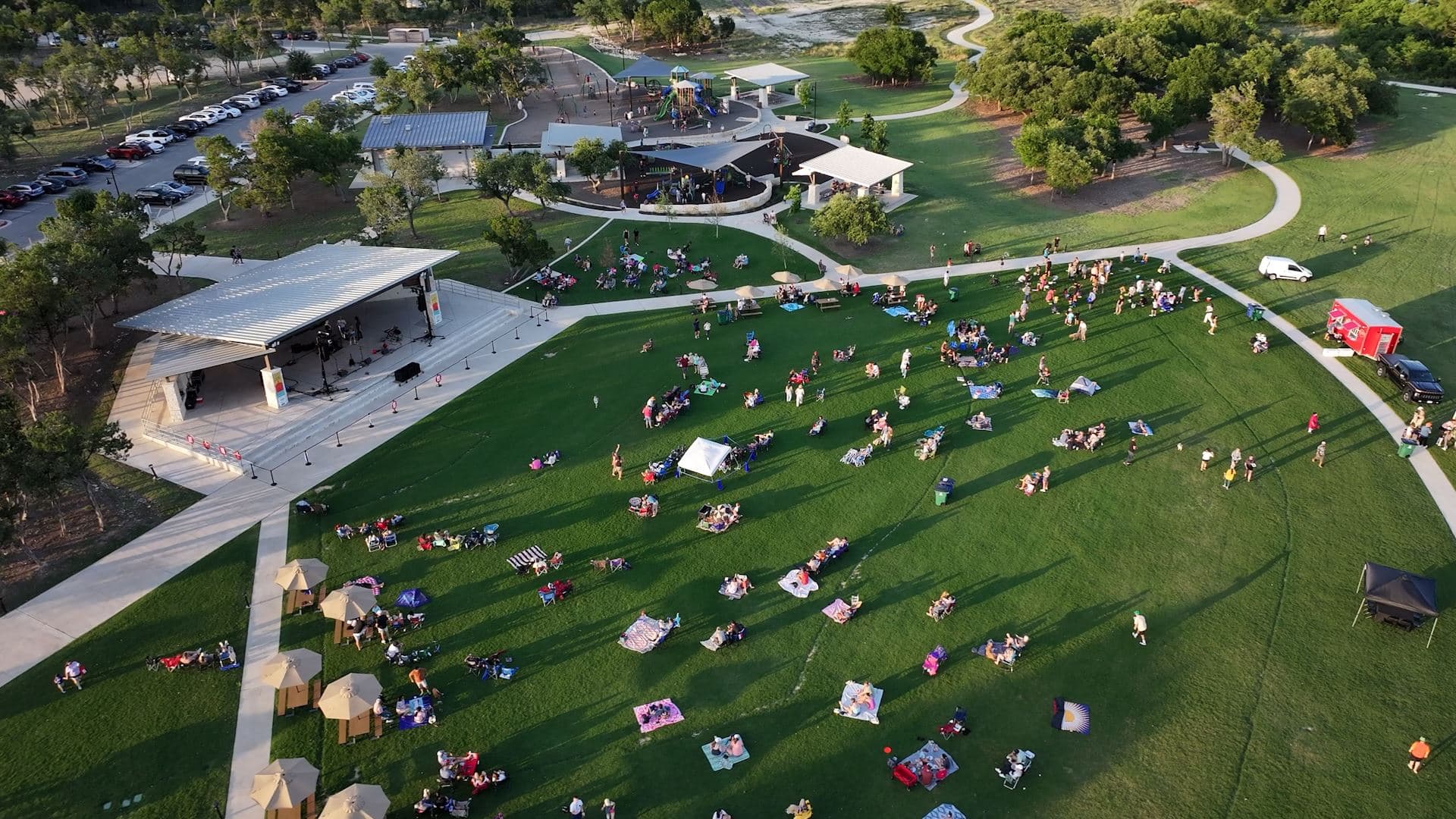
Cedar Park sits immediately south of Leander along US 183 and SH 45, functioning as the commercial and medical hub for the northwest Williamson County submarket. The city's established density means most commercial opportunity here arrives through infill, renovation, and medical office expansion rather than raw greenfield development, and that creates a very different set of execution challenges than the open-tract projects along the Leander fringe. Tech-commuter household growth from Apple's North Austin campus and related semiconductor and EV sector employment in the broader corridor has kept retail, restaurant, and service commercial demand in Cedar Park consistently strong, filling anchor pads and secondary strips at a pace that outperforms many comparable suburban Texas cities.
Open location page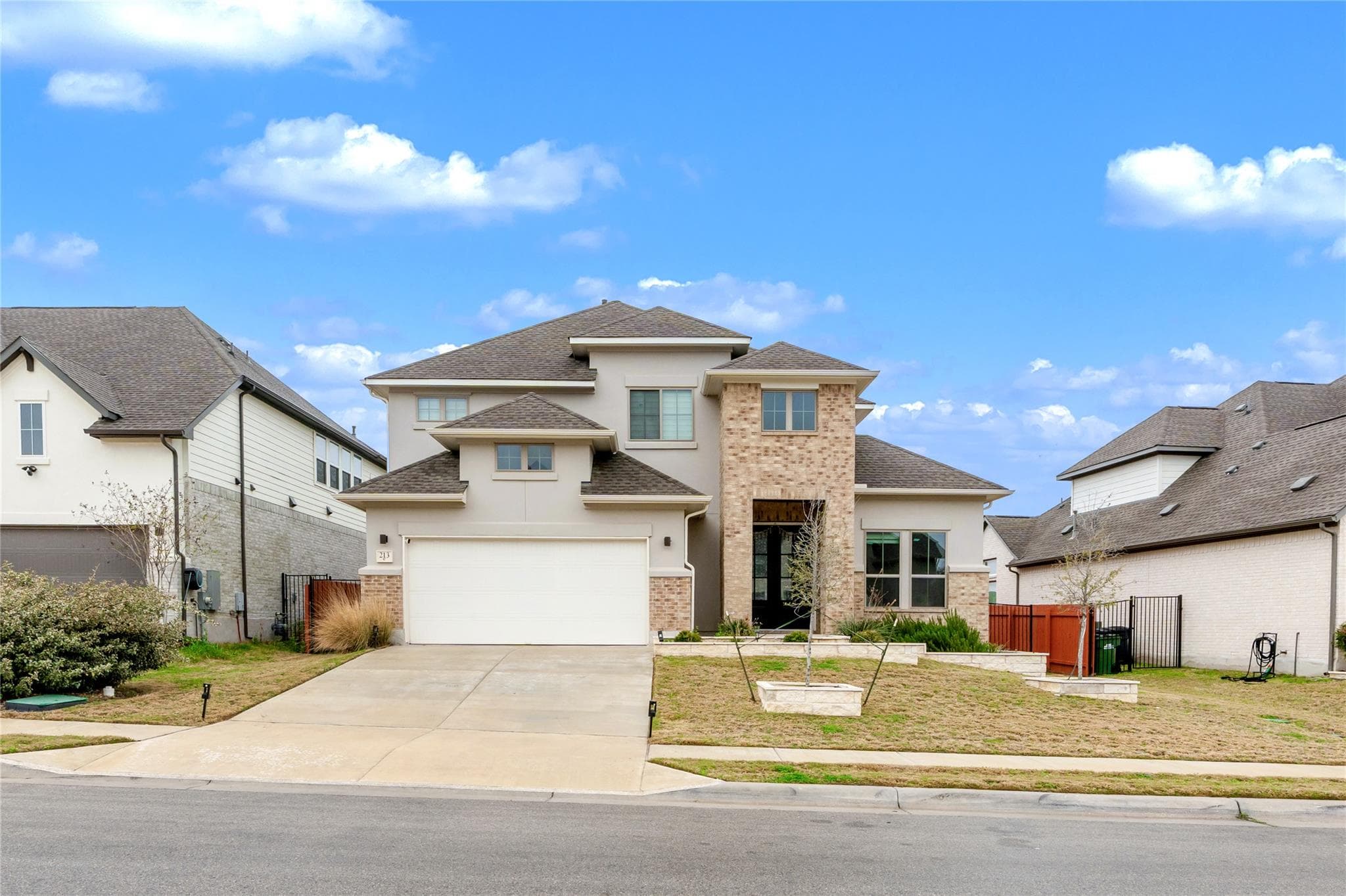
Liberty Hill is the westernmost Williamson County market absorbing direct residential and commercial overflow from Leander, sitting roughly fifteen miles northwest of Leander along SH 29 in an area where available tract sizes and lower land basis still support the kind of larger-footprint industrial and owner-user projects that have largely been pushed off the Cedar Park and Leander corridors by density and pricing. The city's position on the SH 29 corridor between Leander and Georgetown gives it genuine freight and commercial utility, and residential master-planned communities including Santa Rita Ranch have brought a suburban population base that is now beginning to generate demand for service commercial, medical office, and neighborhood retail that did not exist here five years ago.
Open location page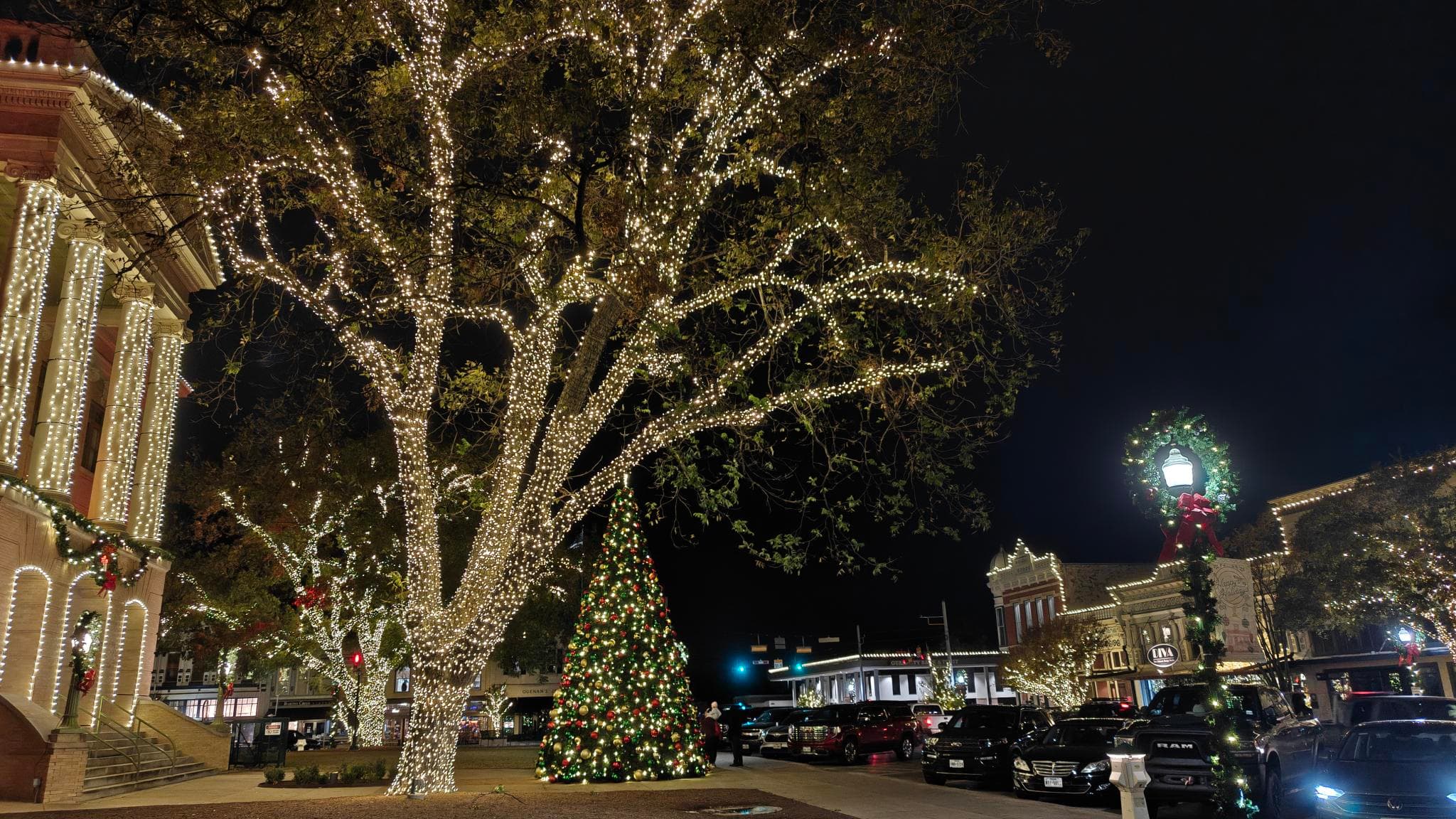
Georgetown is the county seat of Williamson County and the largest city in the county by land area, positioned at the confluence of I-35, SH 29, and TX 130 where the northern Austin metro transitions to the Central Texas Hill Country approach. The city has been among the fastest-growing large cities in the United States for multiple consecutive years, driven by residential development in master-planned communities across its western and northwestern sectors and by commercial and industrial expansion along the I-35 and SH 29 corridors that benefit from proximity to both the Leander-Cedar Park submarket to the southwest and the Taylor-Samsung corridor to the east. Georgetown's commercial market is mature enough to support substantial warehouse and business park development while also growing fast enough that utility timing and infrastructure coordination remain active constraints on the western and southern fringe.
Open location page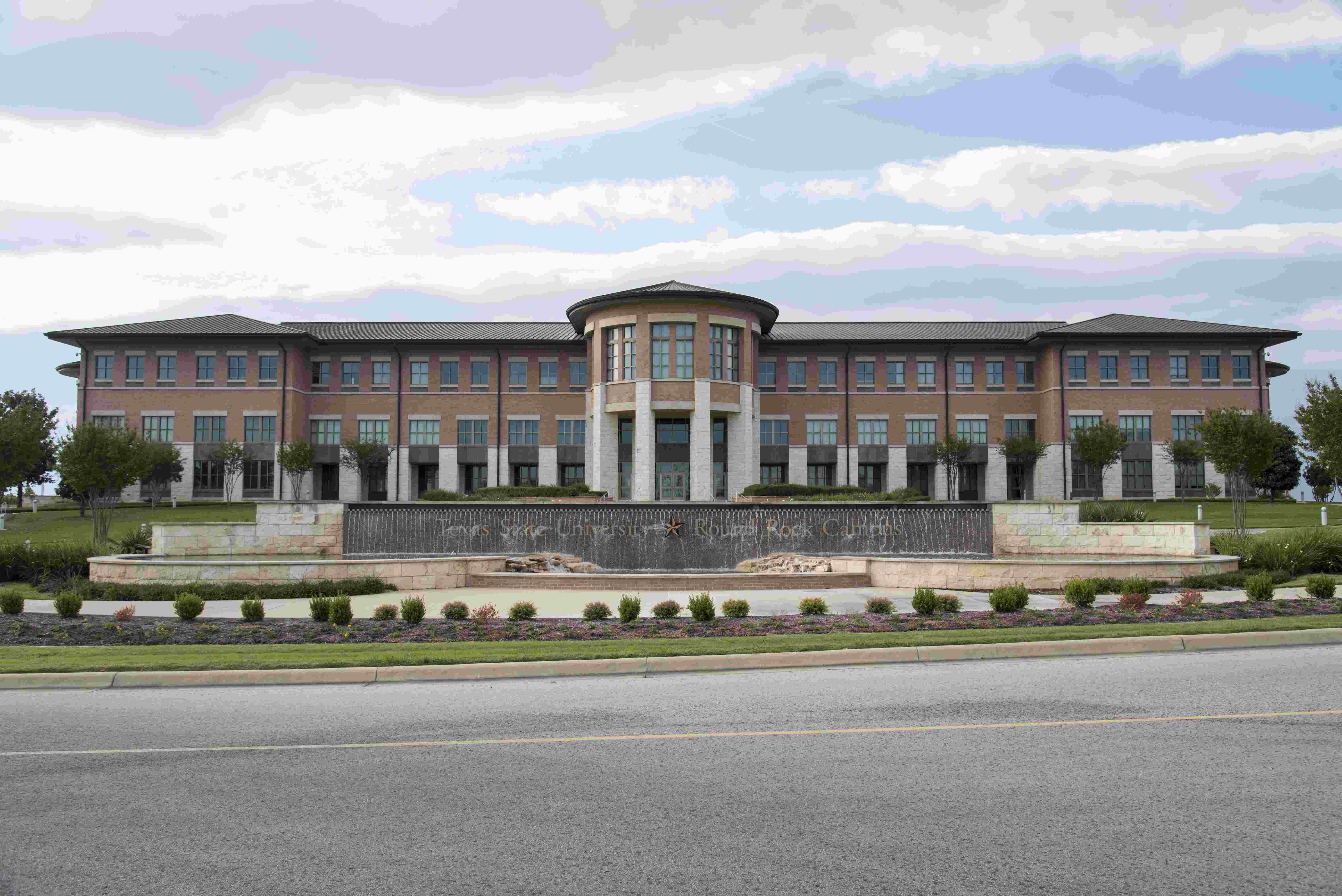
Round Rock is the second-largest city in Williamson County and the primary employment center connecting the Leander-Cedar Park submarket to the I-35 corridor that runs through the full Austin metro. The city's commercial base is anchored by Dell Technologies' global headquarters campus and a broad corporate and tech-employer cluster that has made Round Rock one of the strongest office and industrial markets in Central Texas. The residential population that has grown up around those employers — including many households that work at Apple in North Austin, the Samsung fab in Taylor, and other tech campuses across the region — creates sustained demand for medical office, retail, and service commercial construction that makes Round Rock a consistently active construction market regardless of broader real estate cycle conditions.
Open location page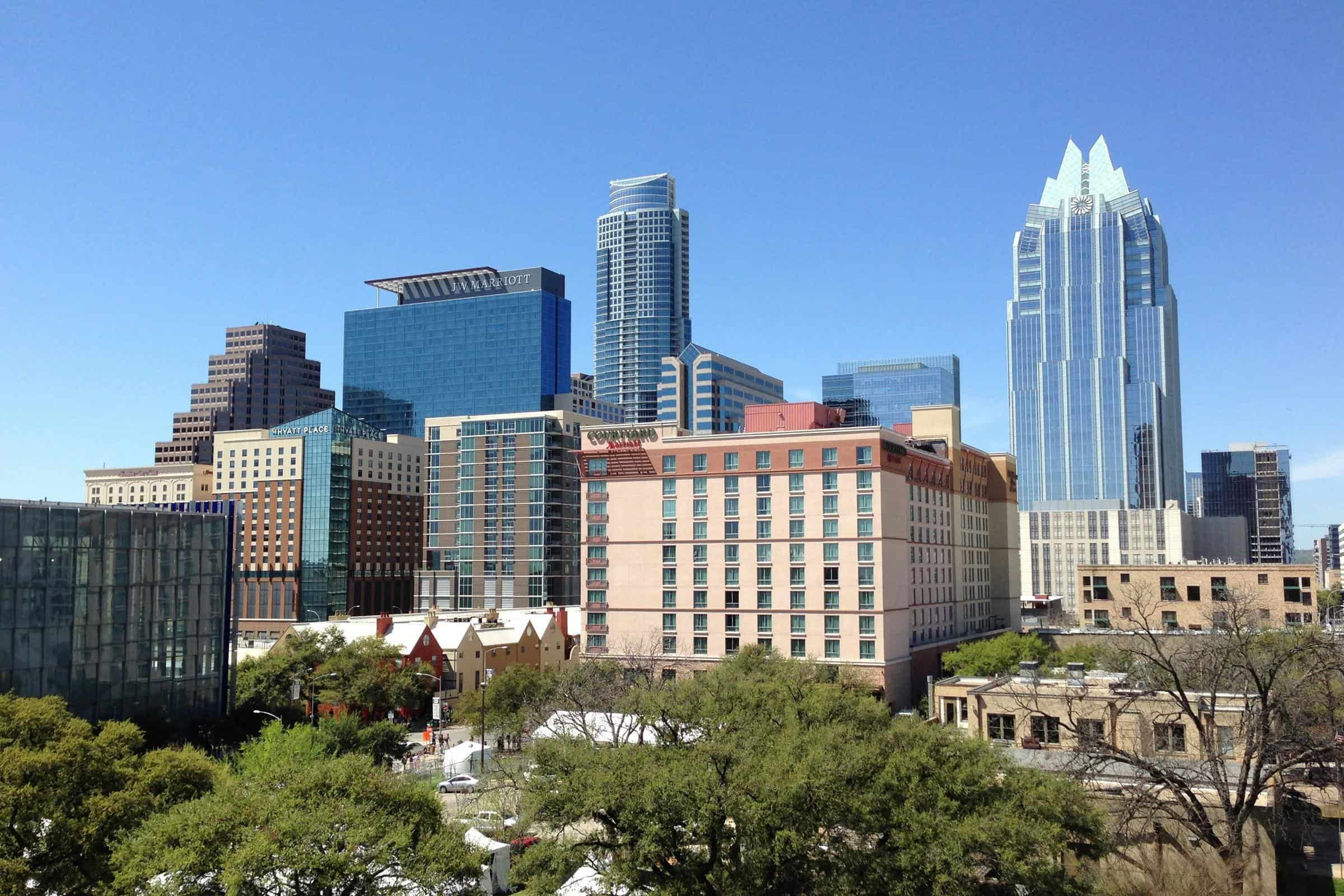
Austin is the center of gravity for the entire Central Texas commercial and industrial construction market, anchoring a metro that has absorbed major tech-sector investment from Apple, Tesla, Samsung, Google, Oracle, and dozens of smaller technology and life-sciences firms over the past decade. That employer concentration has made the city one of the most competitive commercial real estate markets in the southern United States, with schedule pressure, permit complexity, and contractor capacity all reaching levels that reward thorough preconstruction over reactive field management. The Leander-based operations of General Contractors of Leander extend into Austin specifically because a significant share of the project opportunities generated by the metro's tech-commuter and employer growth originate in or require coordination with central Austin development patterns.
Open location page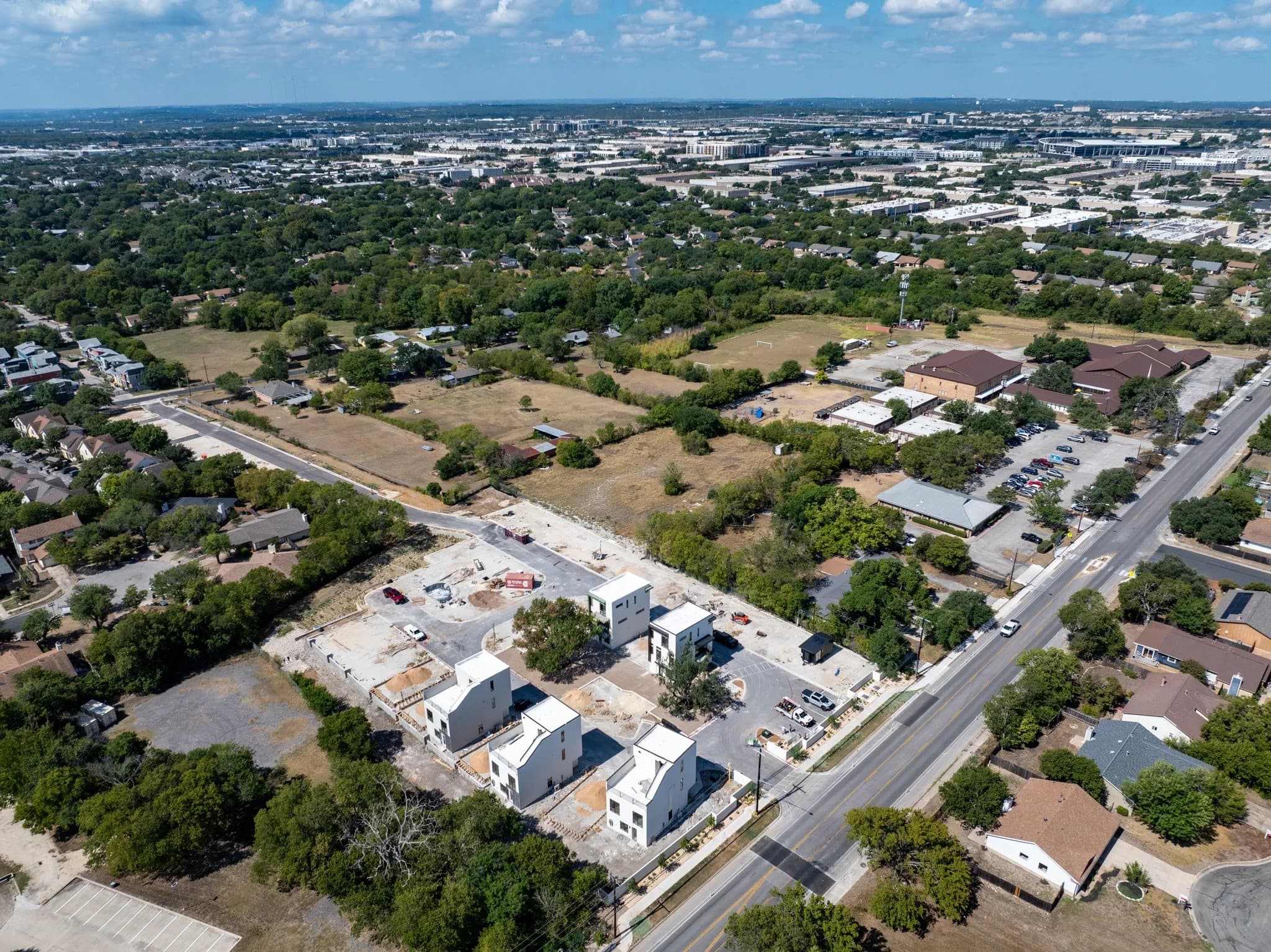
North Austin supports tech-oriented growth, commercial infill, and industrial service projects where circulation and utility planning are central.
Open location page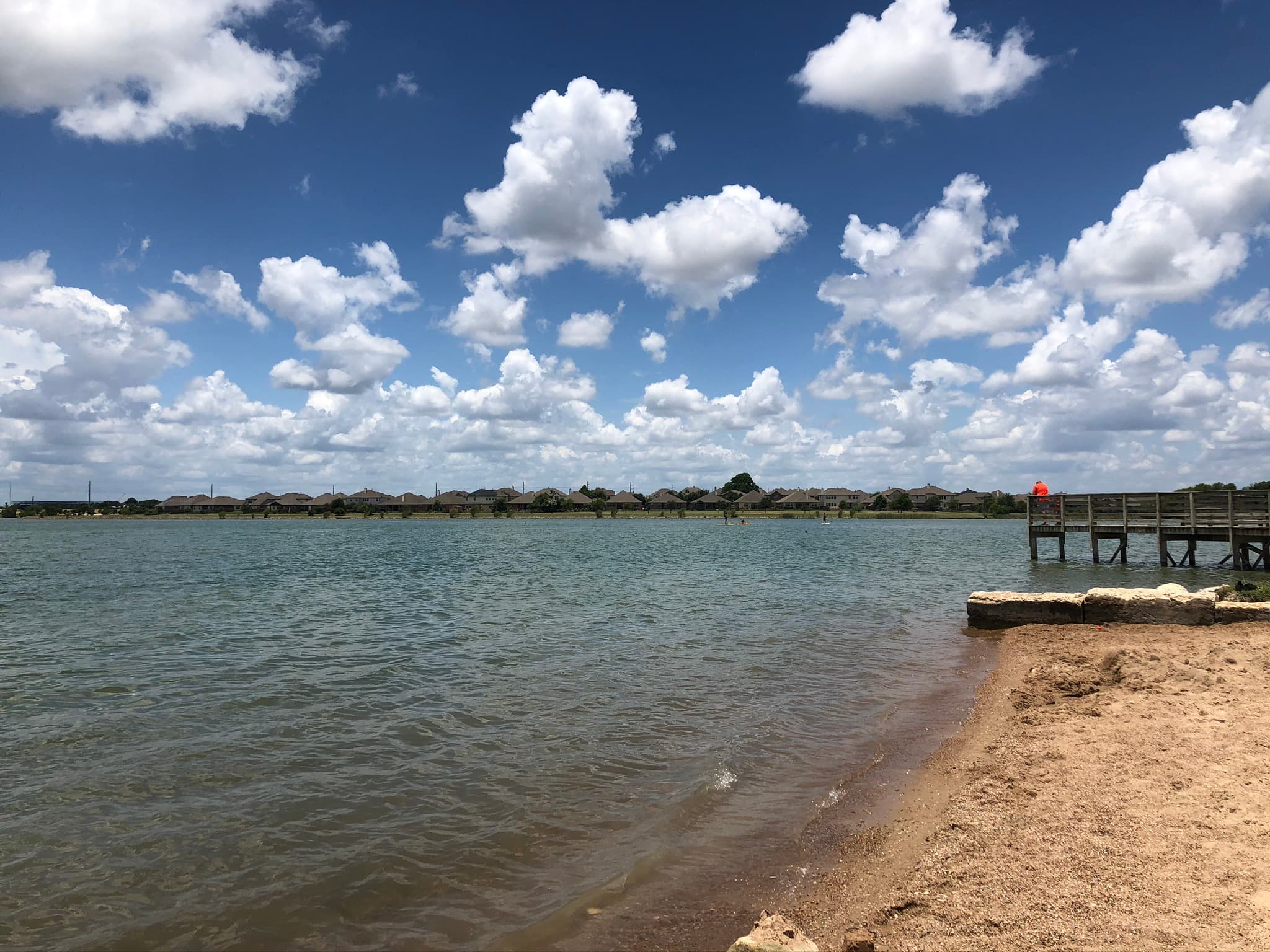
Pflugerville is one of the fastest-growing suburban cities in Travis County, positioned along SH 130 and SH 45 to the northeast of Austin in a corridor that has absorbed significant warehouse, flex industrial, and commercial development as Amazon, logistics operators, and light manufacturing users have moved into the eastern Austin metro. The city sits at the intersection of two major toll roads, giving it freight access that rivals Round Rock and Hutto while also supporting the retail and service commercial demand generated by a residential base that has more than doubled in the past fifteen years. Apple's Austin campus operations and the broader tech-employer network extending northeast from North Austin have placed significant numbers of tech-industry households in Pflugerville, anchoring the residential consumption that drives retail and service commercial construction.
Open location page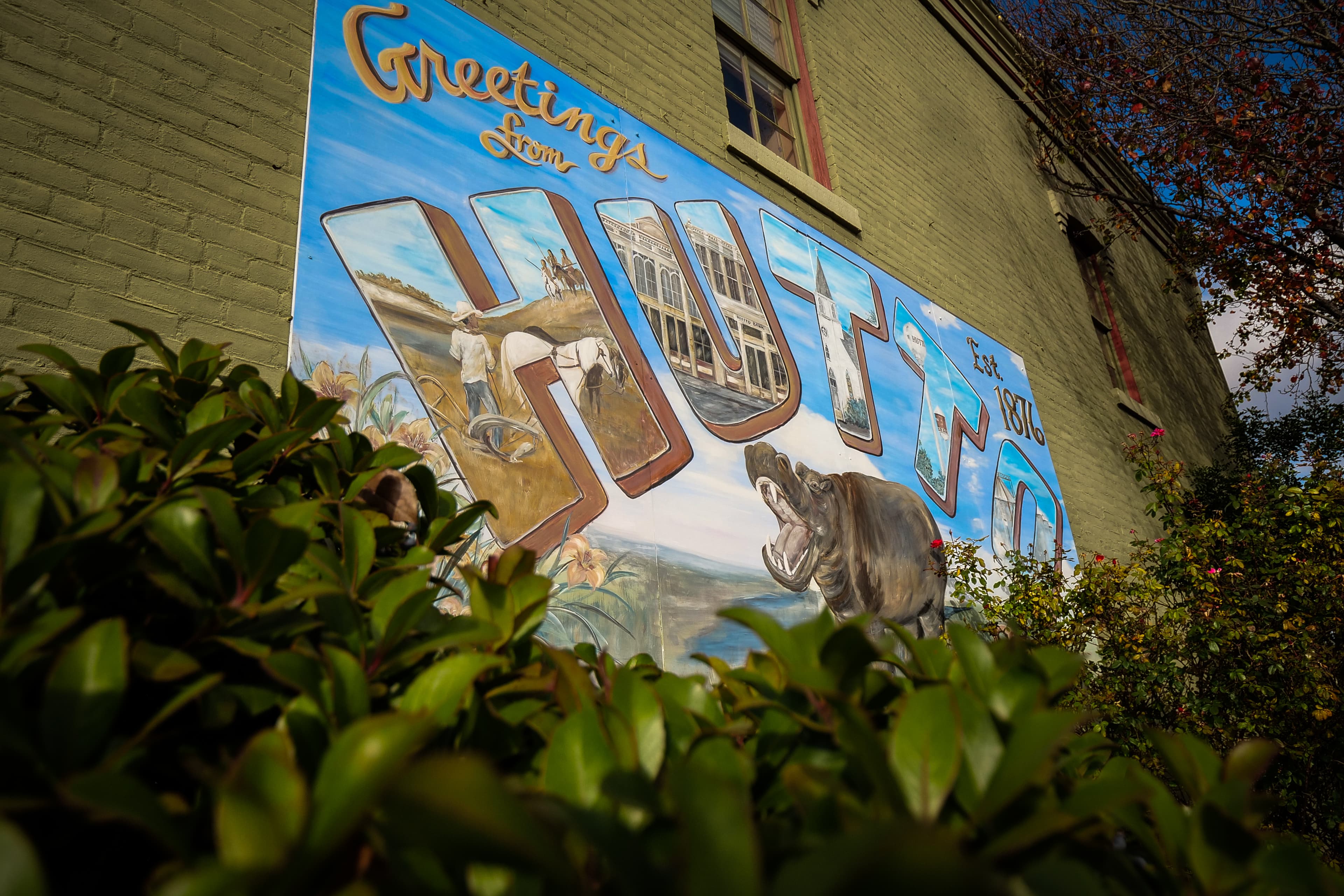
Hutto continues to absorb industrial and commercial demand from the Austin metro, rewarding early site and infrastructure discipline.
Open location page
Taylor's industrial momentum makes utility planning, schedule control, and field coordination especially important for new projects.
Open location page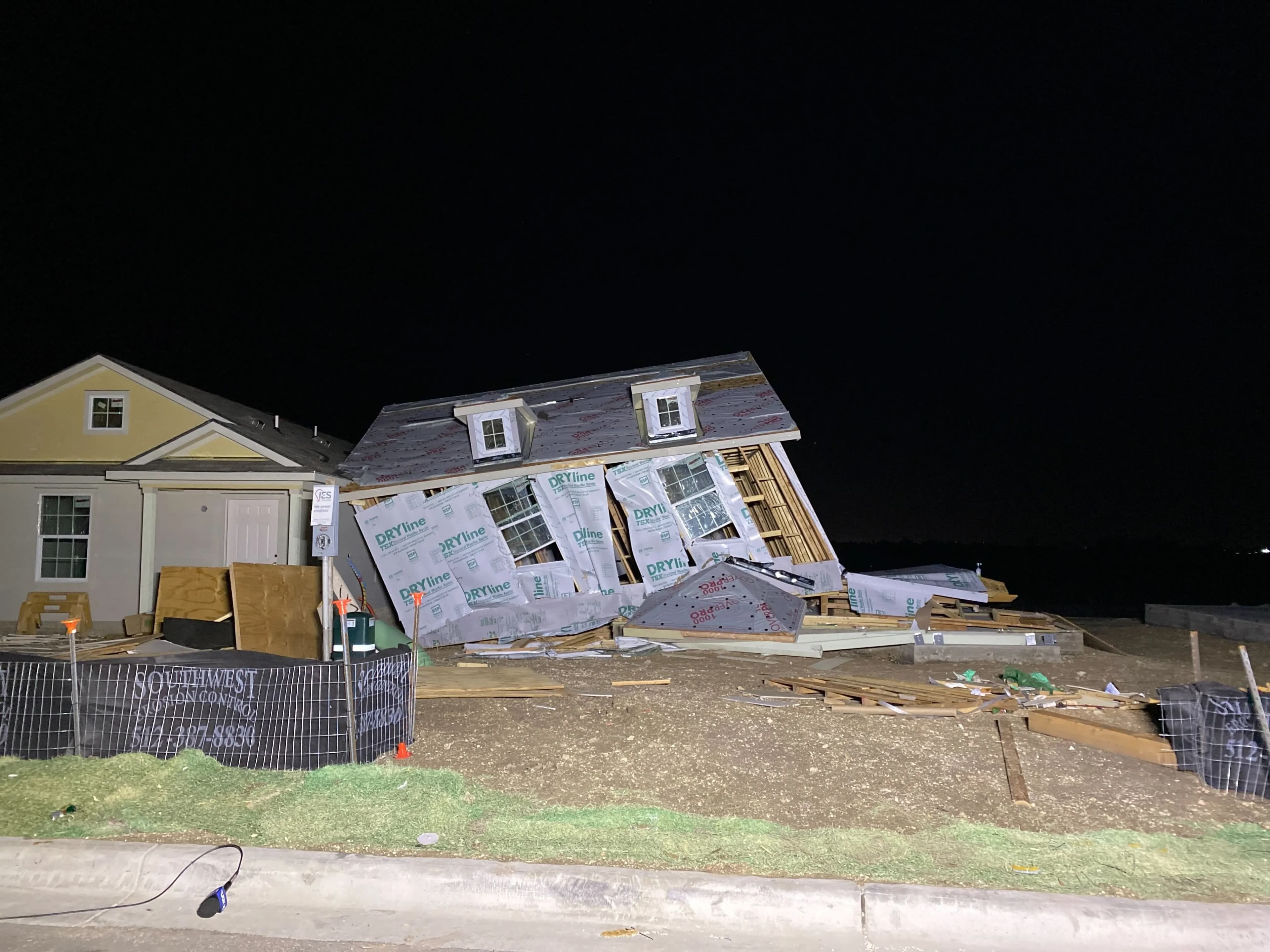
Jarrell offers growth-oriented sites that need disciplined infrastructure planning to keep pace with larger regional development pressure.
Open location page
Brushy Creek is an unincorporated community in Williamson County occupying the corridor between Cedar Park, Round Rock, and the north Austin suburban fringe, directly connected to the Leander tech-commuter population via Cedar Park and the US 183 arterial. The community is densely built out by Central Texas suburban standards, with commercial corridors along FM 1431, Brushy Creek Road, and the SH 45 alignment that have absorbed significant retail, medical office, and service commercial development over the past two decades. Most commercial project opportunity here arrives through infill, renovation, and expansion of existing buildings rather than new ground-up development, and the occupied-setting conditions that come with that type of work demand careful staging from the first day of preconstruction.
Open location page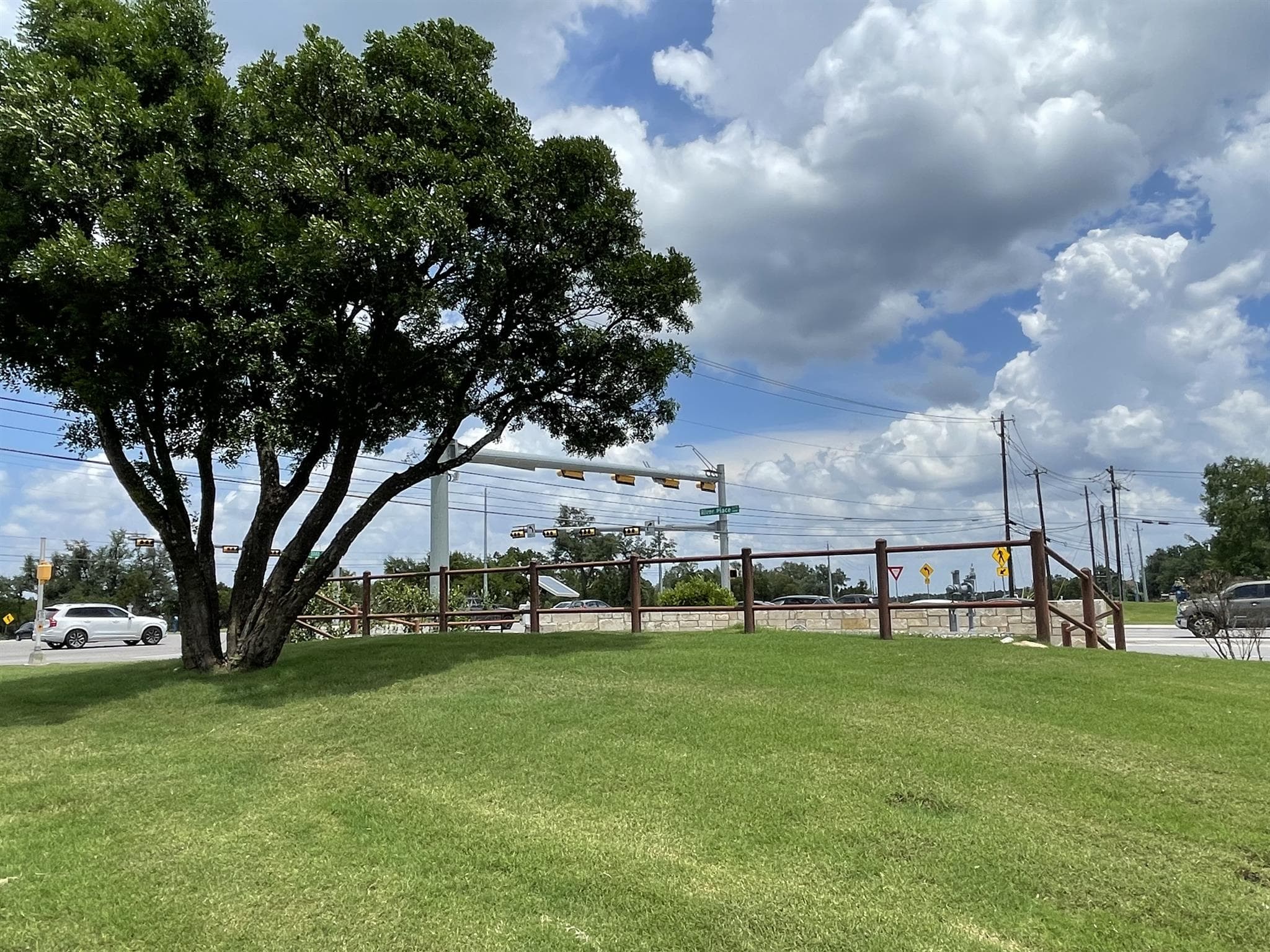
Jollyville supports commercial infill and office-oriented work where access, parking, and active-neighbor coordination all matter.
Open location page
Anderson Mill favors practical commercial work where access, renovations, and phased turnover can be more important than greenfield speed.
Open location page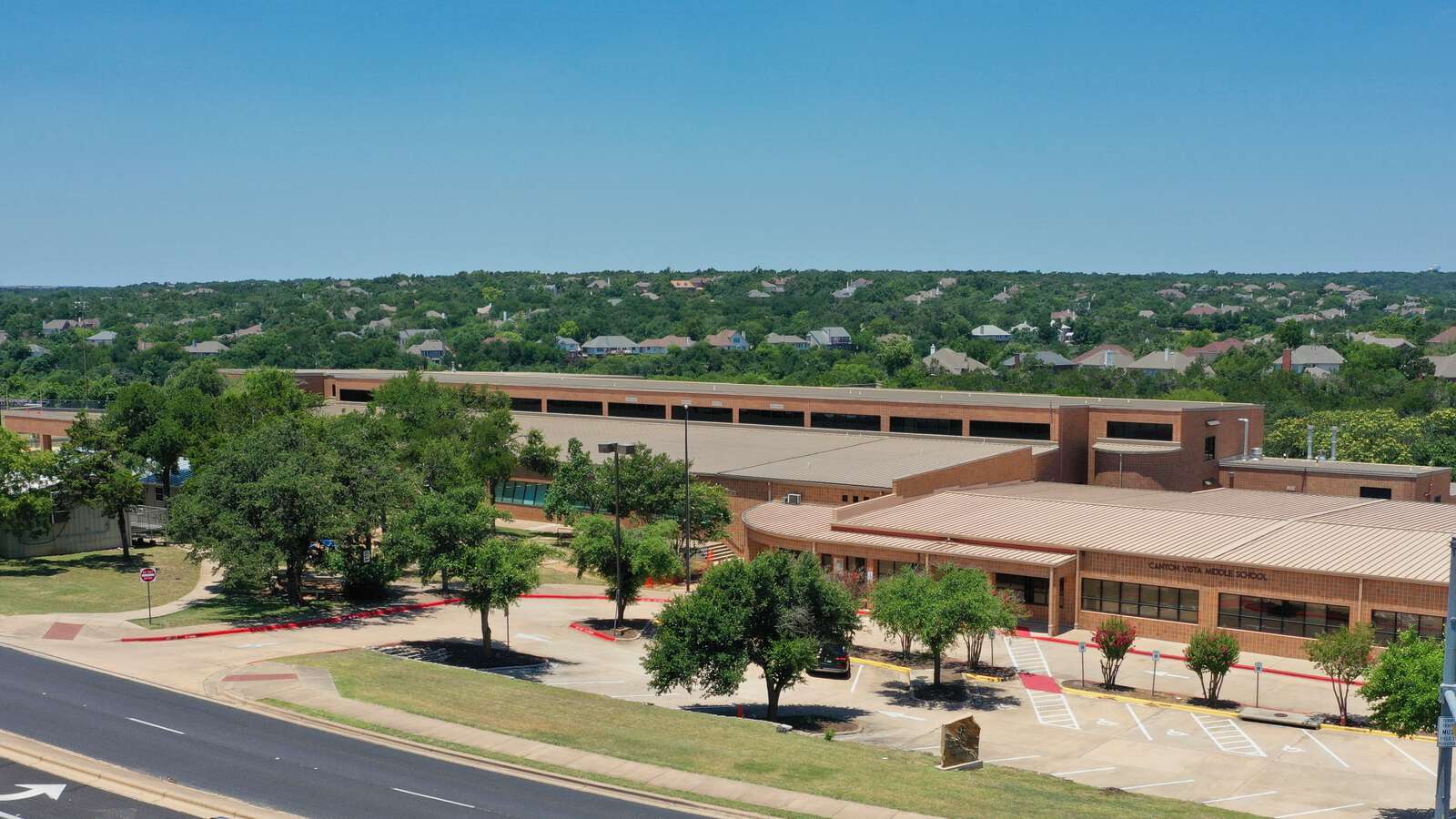
Wells Branch supports commercial and flex projects where access planning and tenant-ready turnover are key to a smooth project path.
Open location page
Lago Vista occupies the Lake Travis shoreline along SH 1431 in western Travis County, roughly twenty miles from Leander across the Hill Country limestone terrain that defines this part of the Edwards Aquifer recharge zone. The city's commercial market is small by metro standards but has been growing as tech-commuter households from Leander, Cedar Park, and North Austin trade inward toward the lake, creating new demand for service commercial, medical office, and community-serving retail in a location that has historically lacked purpose-built commercial space. The Hill Country setting means every commercial project here starts with site and civil work that requires terrain-sensitive engineering rather than the relatively flat-site assumptions that govern most of the Leander and Cedar Park commercial markets.
Open location page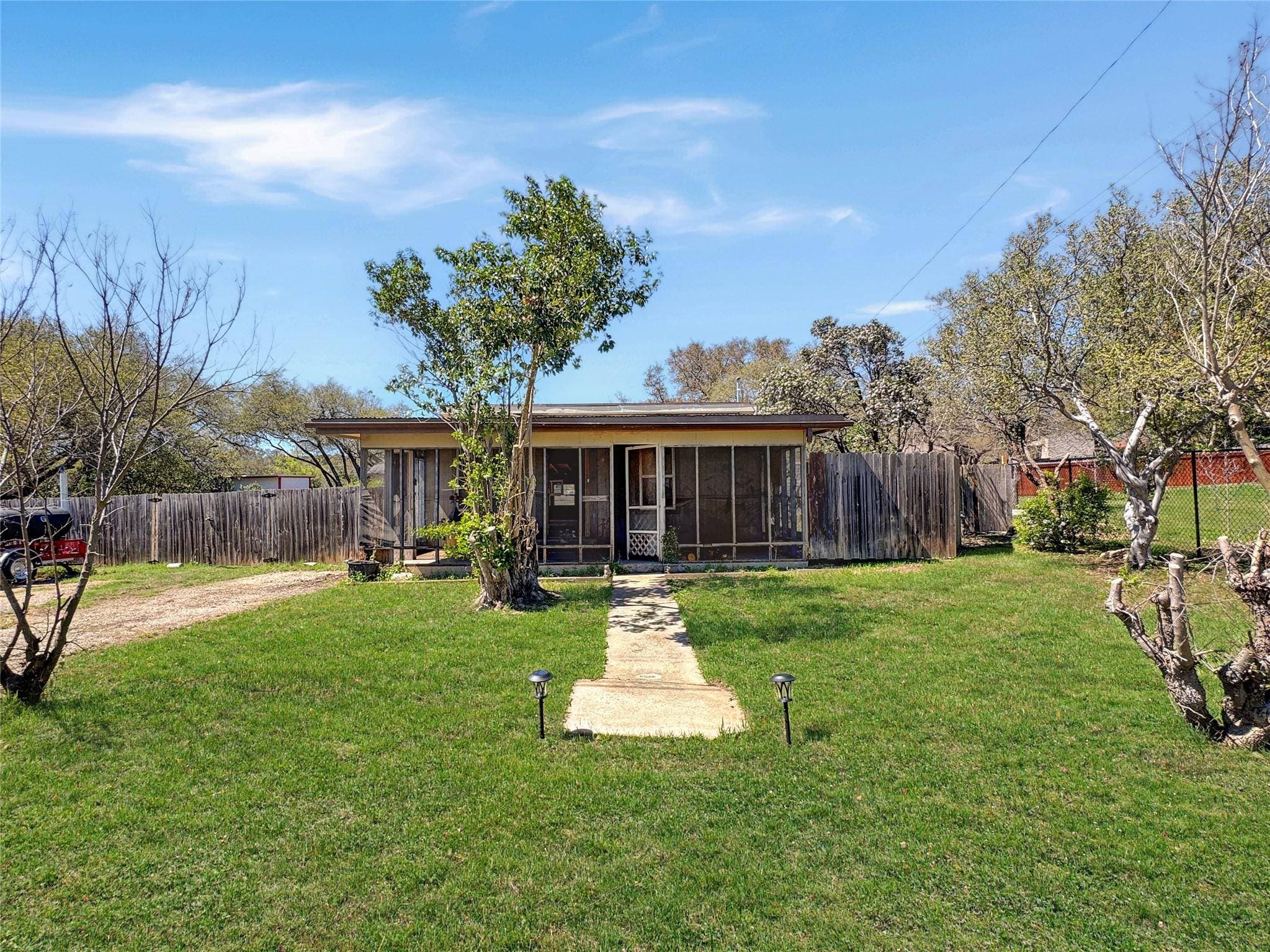
Jonestown is a small lake-area city on the north shore of Lake Travis in Travis County, positioned along SH 1431 between Lago Vista and Leander in the Hill Country limestone terrain that characterizes the entire western Travis County commercial fringe. The community's commercial footprint is limited but has attracted owner-user and storage-forward projects from operators who want Lake Travis adjacency, lower land cost than Cedar Park or Leander proper, and access to the SH 1431 corridor without paying the premium that established commercial addresses demand. Site work here is governed almost entirely by terrain, and any commercial project that underestimates the grading, drainage, and utility coordination requirements of this topography will carry those costs into the building and finish phases.
Open location page
Volente is a small unincorporated community in Travis County on the western arm of Lake Travis, accessible via FM 2769 and sitting at the northern tip of the lake between Jonestown and the Lago Vista corridor. The community is surrounded by Hill Country limestone terrain, lake-area residential properties, and the low-density character that has historically kept commercial development minimal here. Projects that do arise in Volente tend to be owner-user in nature — contractors, marine service operations, outdoor recreation businesses, or small service providers who want a lake-area address with direct site control and lower land cost than the established Lakeway or Lago Vista commercial corridors can offer.
Open location page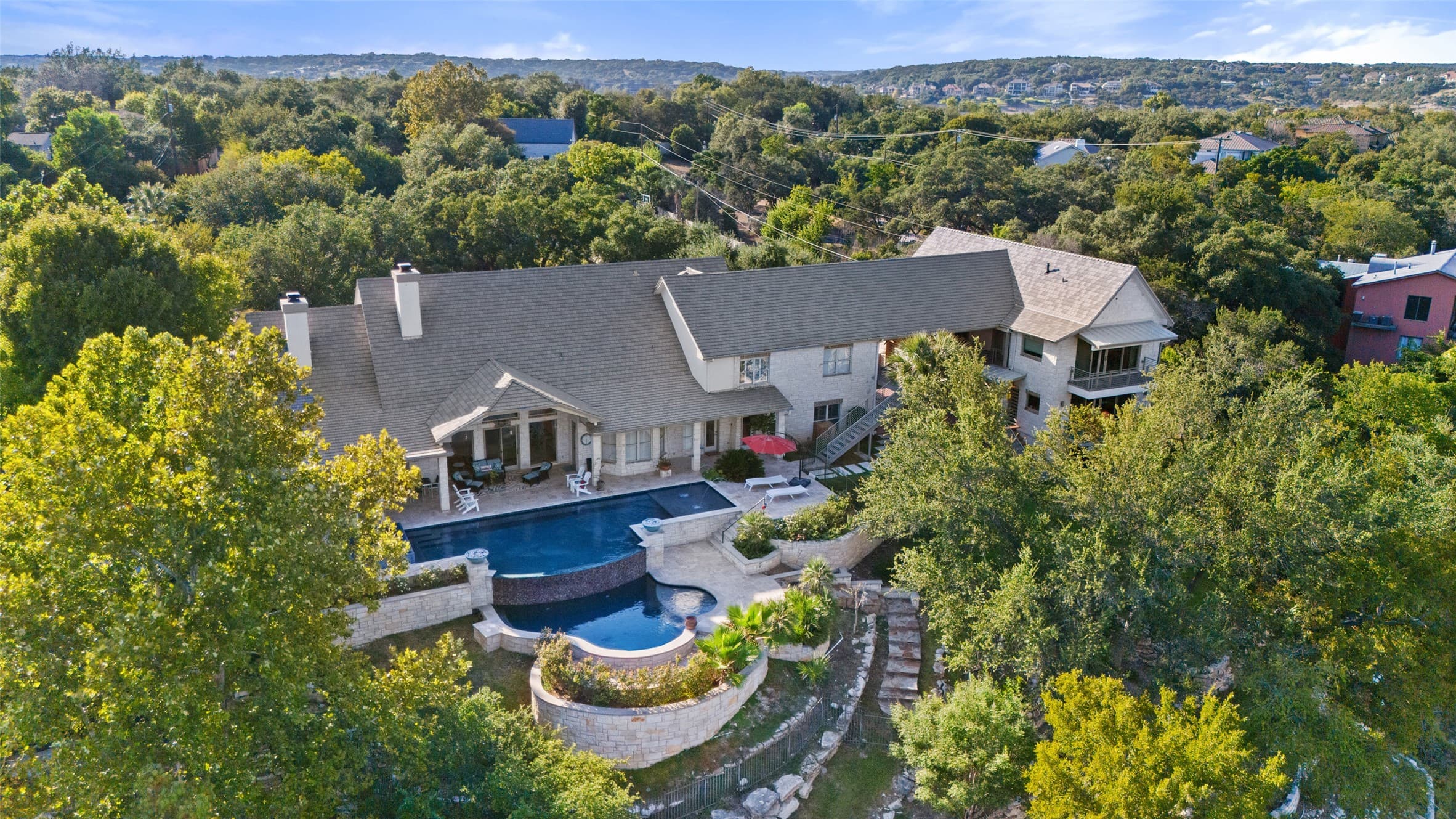
Lakeway is an established Lake Travis-area city in Travis County centered on RM 620 and the commercial district around RR 620 and Lohmans Crossing, serving a high-income residential base that includes significant tech-industry and professional households from the Apple, Dell, and broader Austin tech employer network. The city's commercial market reflects that demographic: medical office, professional services, retail, and upscale restaurant and hospitality-adjacent uses all perform well here, and finish quality expectations on commercial projects are high relative to comparable suburban Texas markets. Lakeway has developed enough commercial density along RM 620 that most new projects arrive as infill, renovation, or medical campus expansion rather than raw greenfield development.
Open location page
Bee Cave supports premium commercial growth where finish quality, circulation, and schedule discipline all influence the final outcome.
Open location page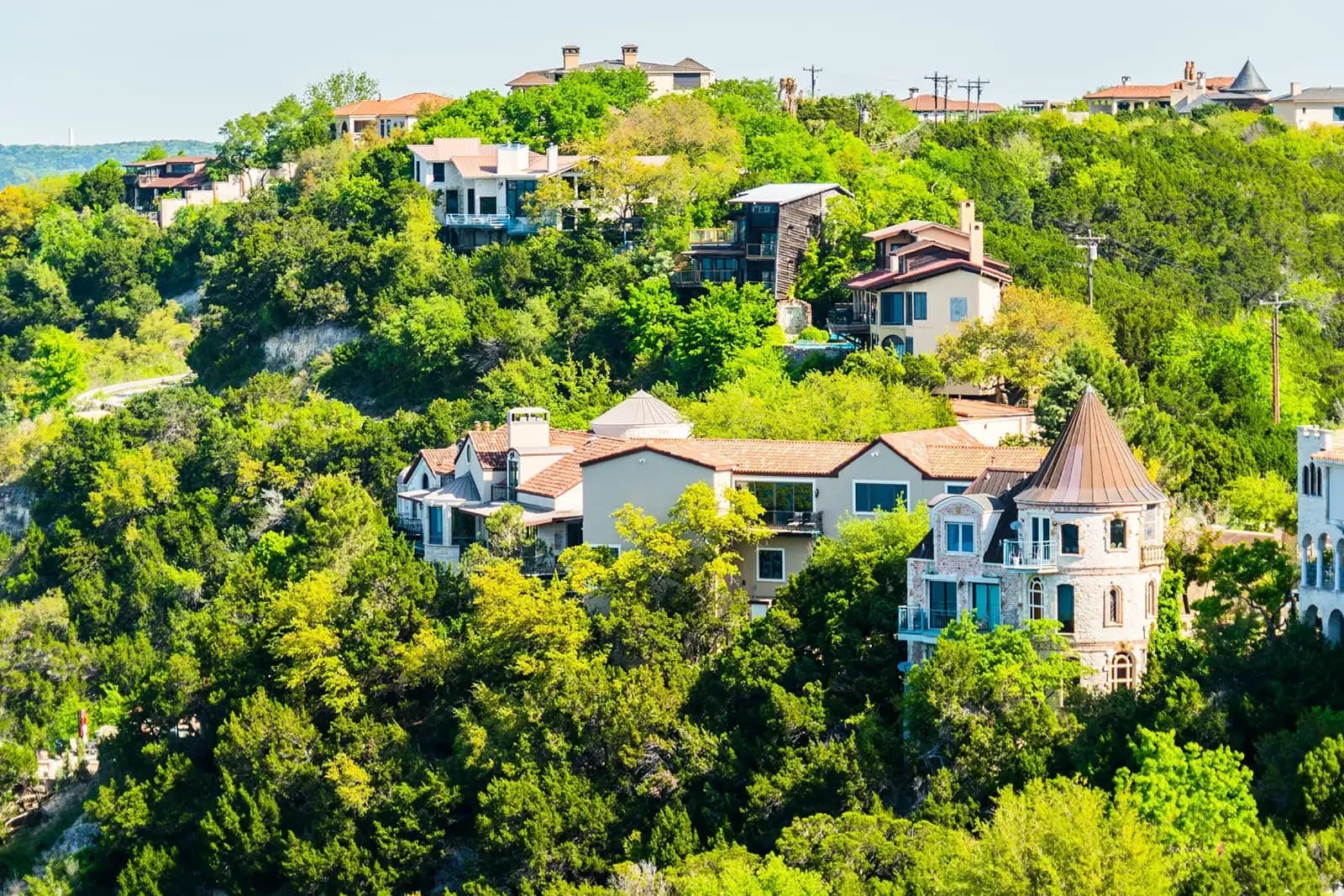
West Lake Hills favors select commercial projects where access, finish quality, and careful field management matter more than volume.
Open location page
Rollingwood calls for precise coordination on commercial work because visibility, neighbor conditions, and phasing can control the job.
Open location page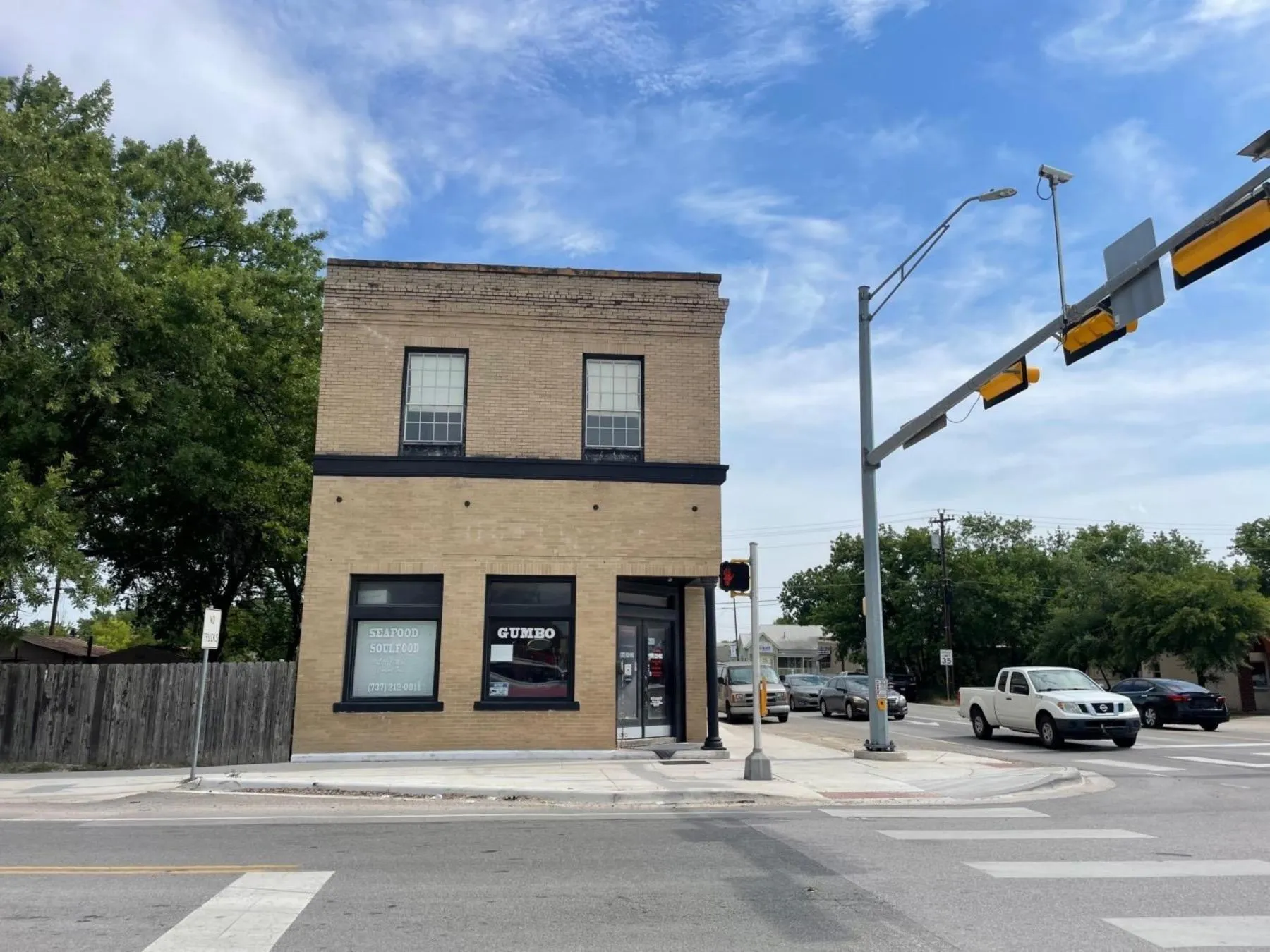
Manor continues to attract growth-oriented development where site infrastructure and phased release timing are major success factors.
Open location page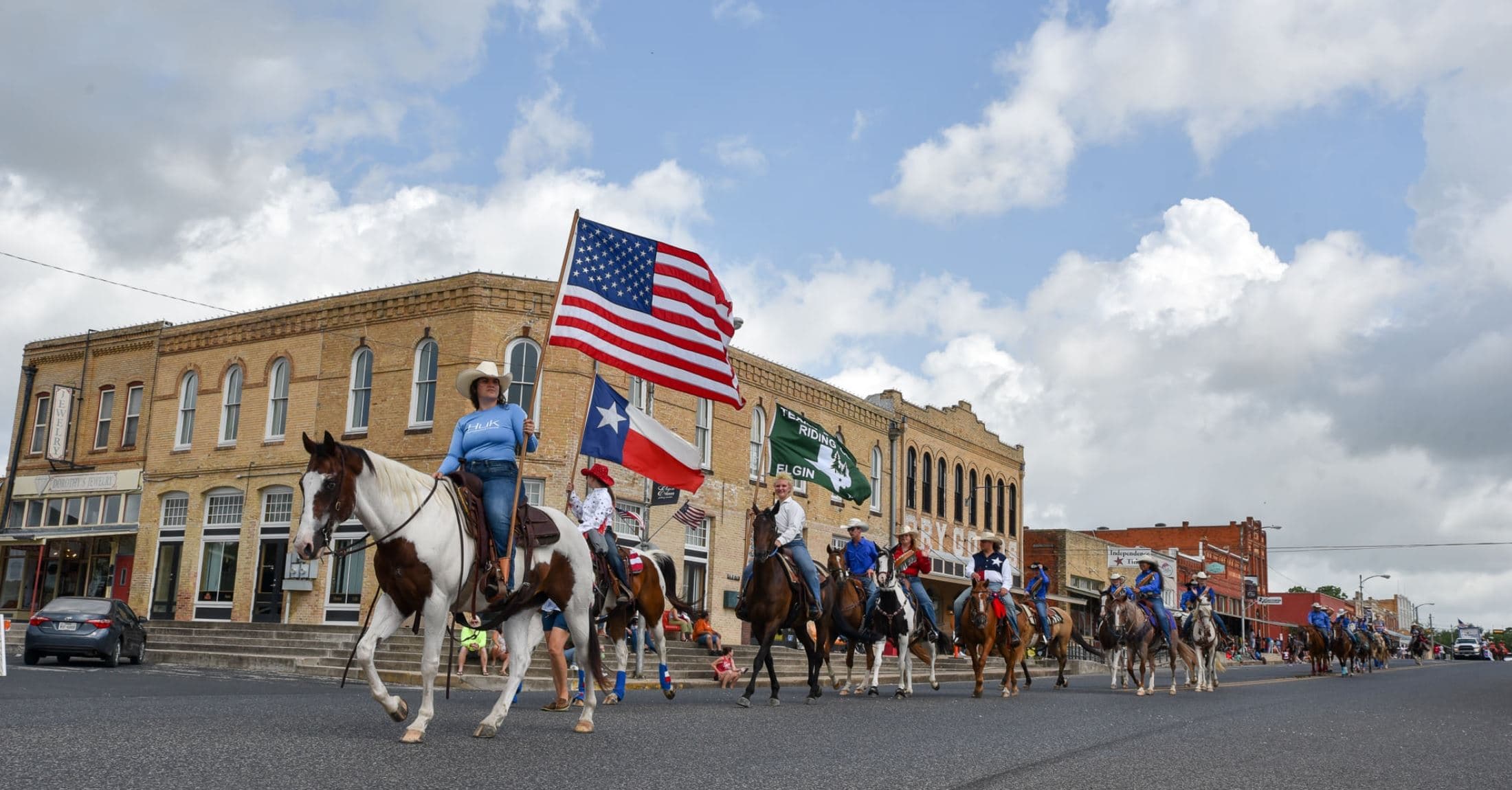
Elgin offers room for owner-user and industrial projects, but the best outcomes still depend on disciplined site and utility planning.
Open location page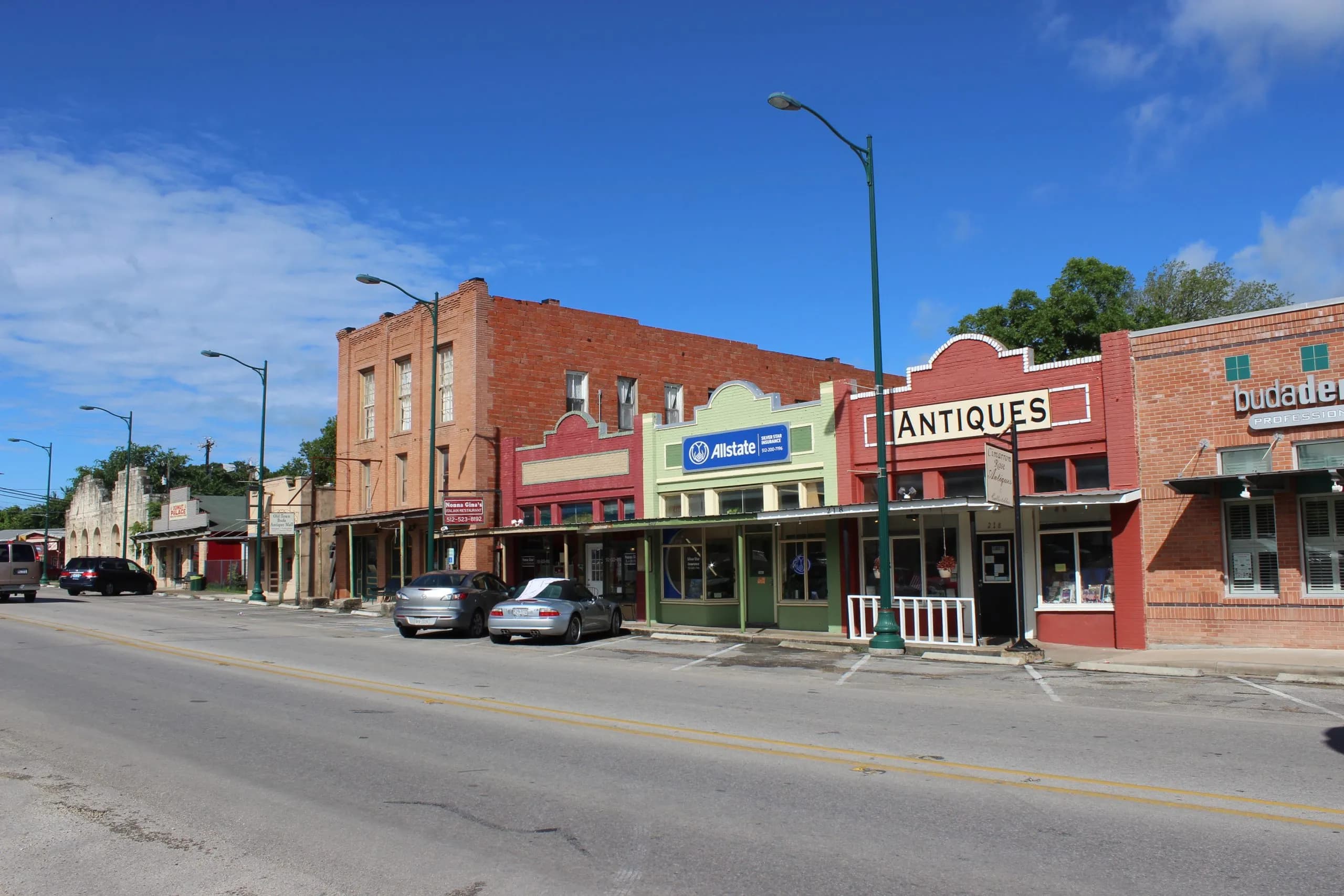
Buda supports continued commercial and industrial growth where regional access and staged delivery both shape the project strategy.
Open location page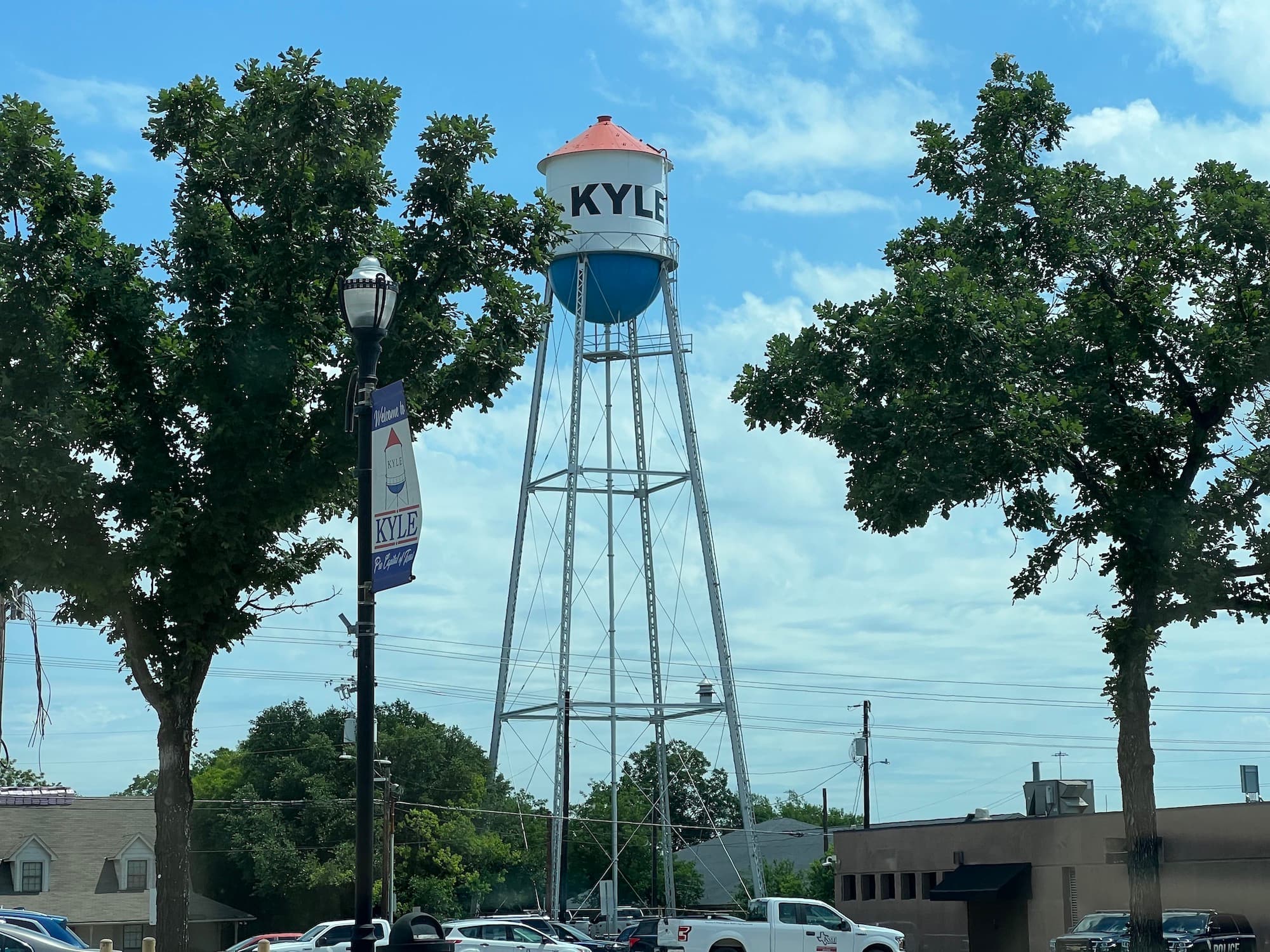
Kyle's rapid expansion favors builders who can manage infrastructure timing, public-facing quality, and practical shell delivery together.
Open location page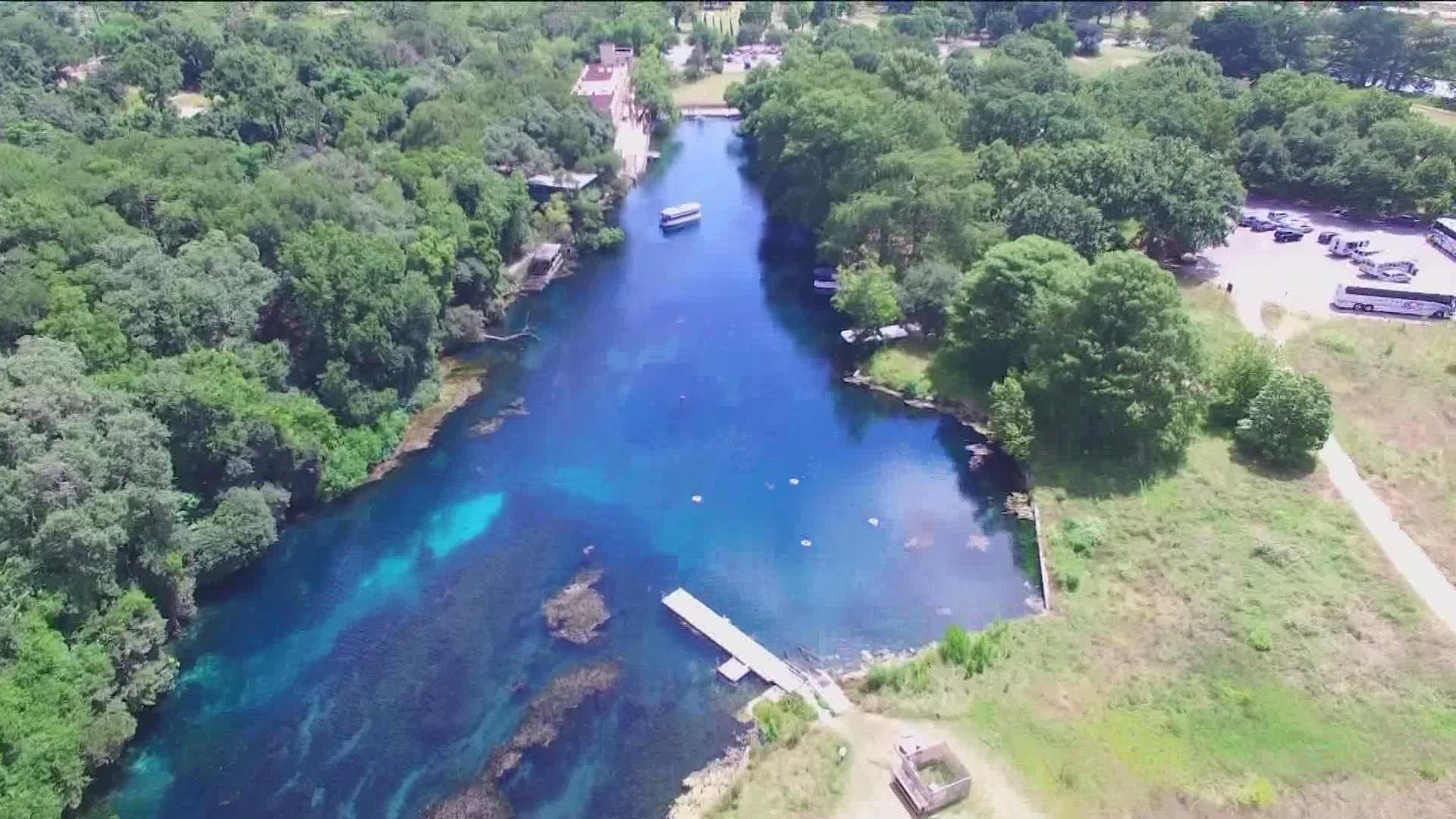
San Marcos brings together university, commercial, and industrial demand, which makes flexibility and coordination valuable on both site and shell work.
Open location page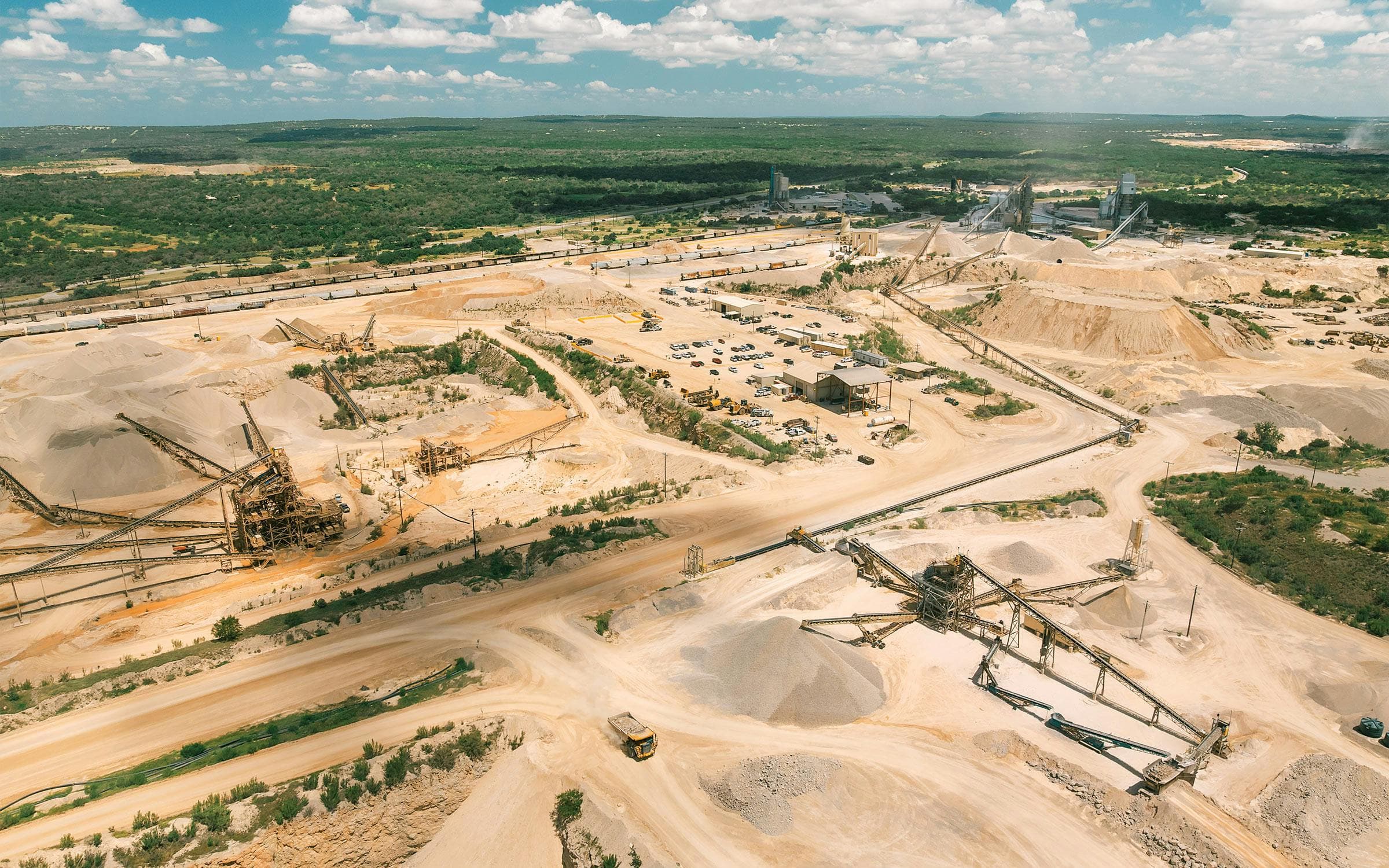
Burnet projects benefit from practical site-first planning because access, utilities, and long-term durability often drive decisions.
Open location page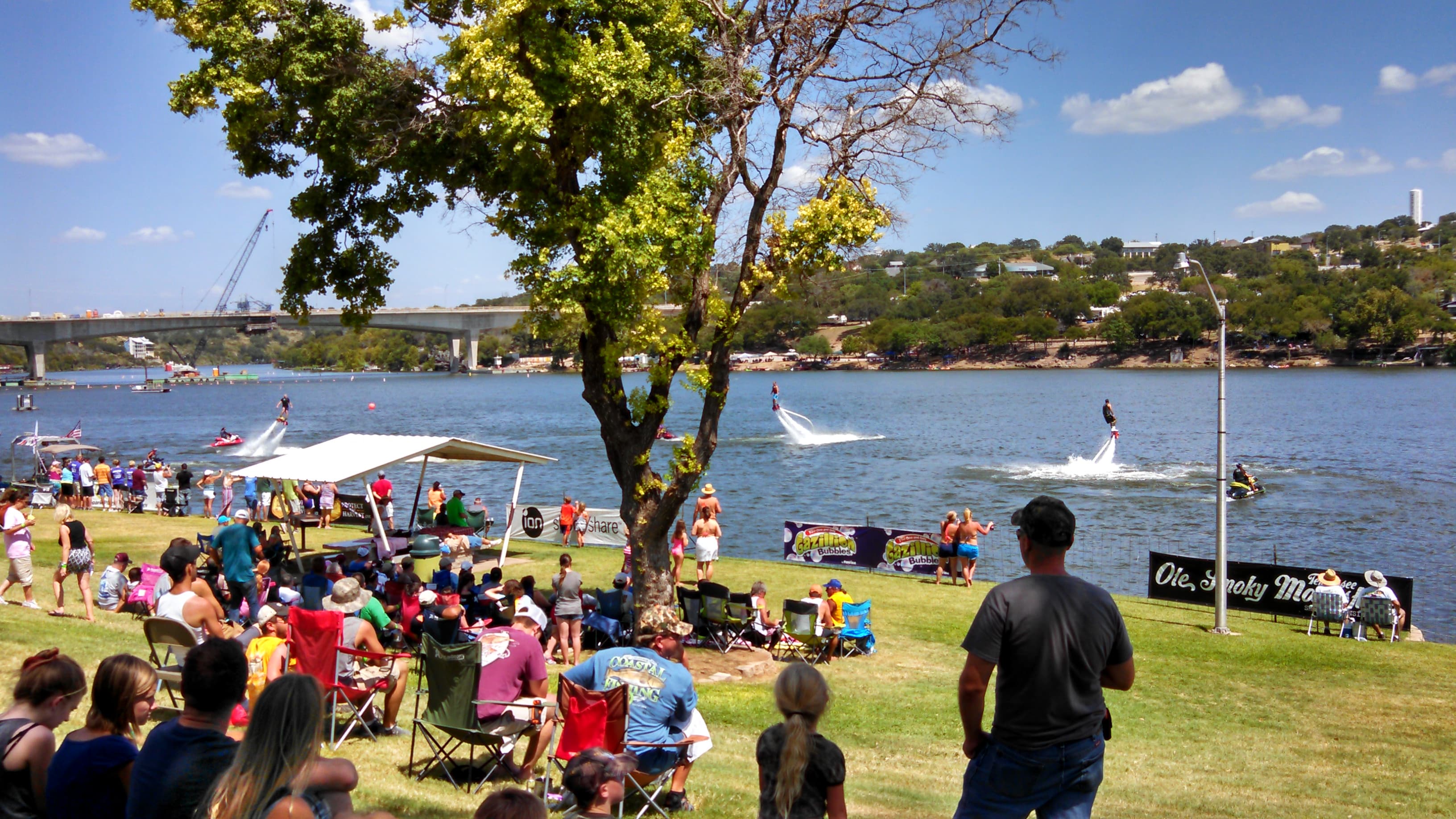
Marble Falls combines hill-country commercial demand with owner-user opportunities that still rely on disciplined site and access planning.
Open location page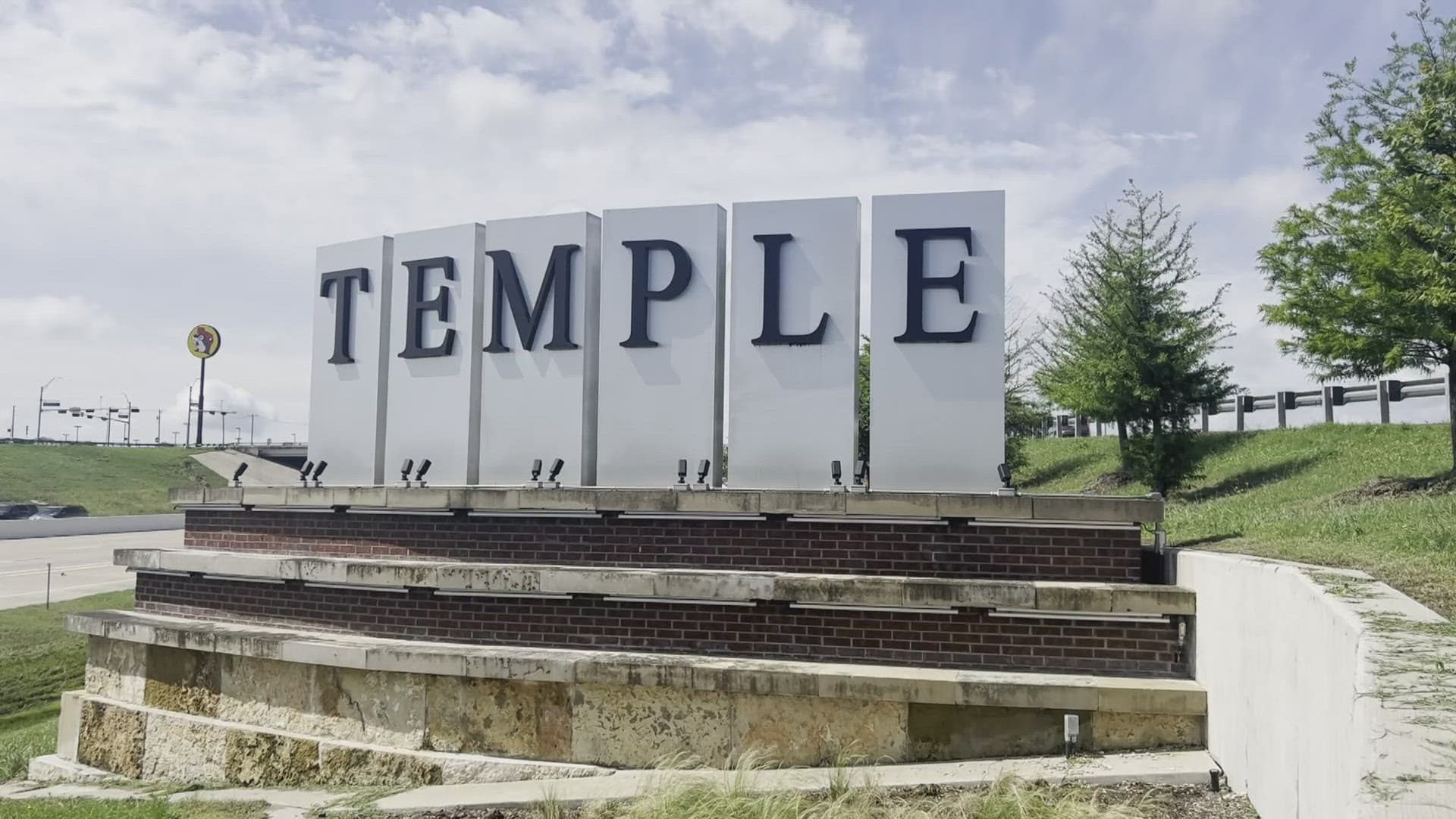
Temple's larger regional role makes it a strong fit for industrial, healthcare-support, and logistics-related construction.
Open location page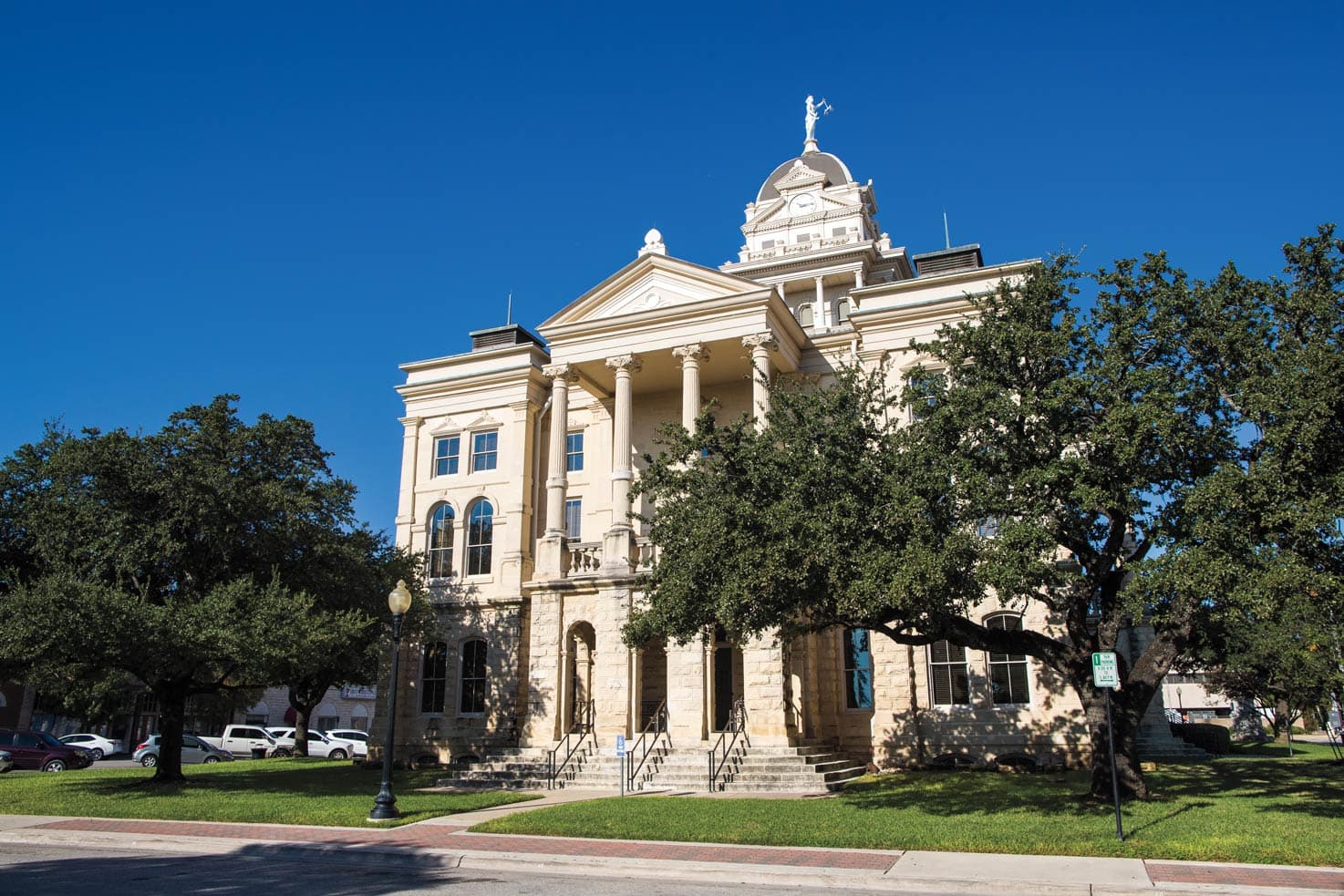
Belton supports commercial and industrial work that benefits from clear site planning and practical regional access.
Open location page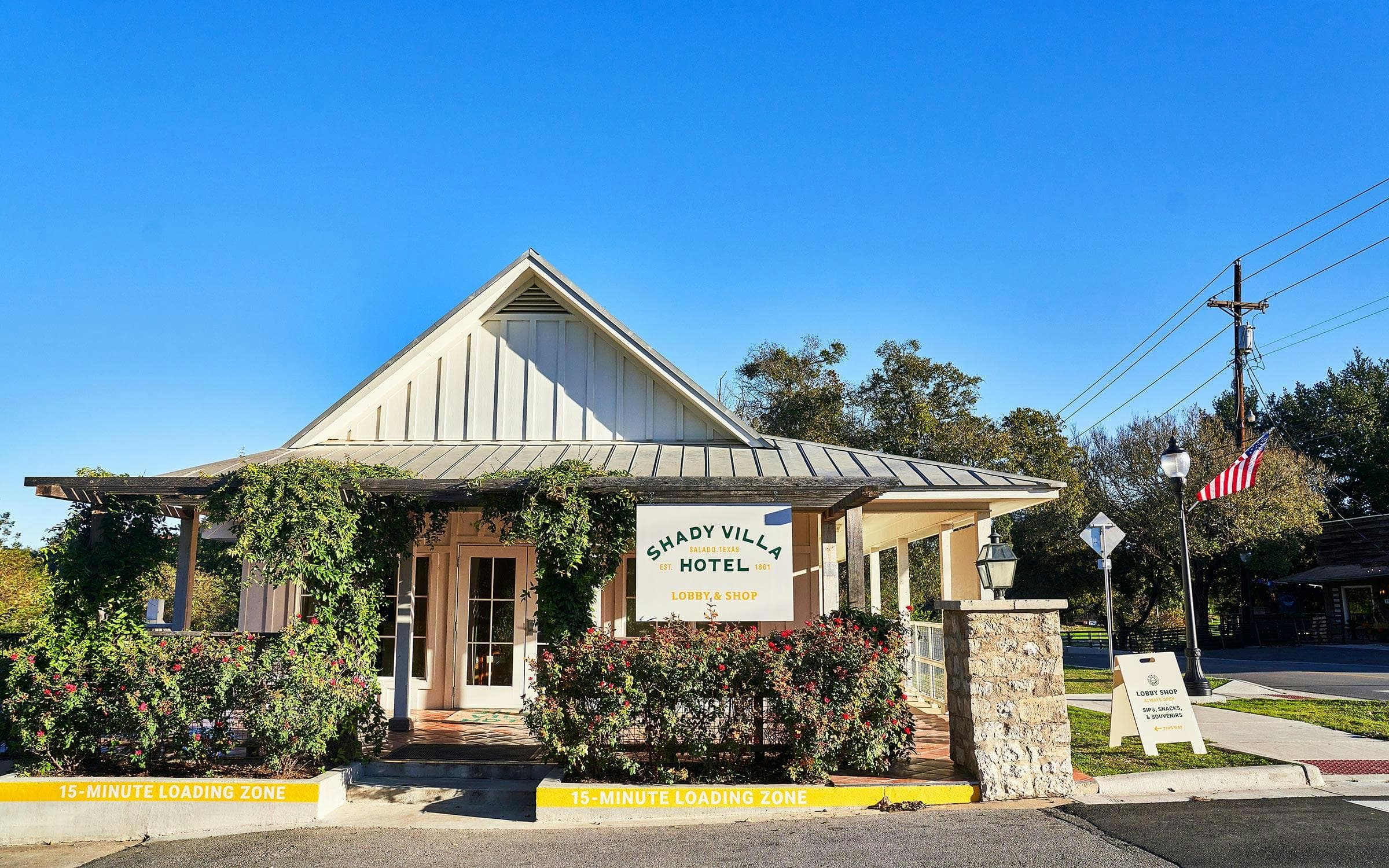
Salado's select commercial growth rewards builders who keep site work, finish quality, and pacing aligned with local conditions.
Open location page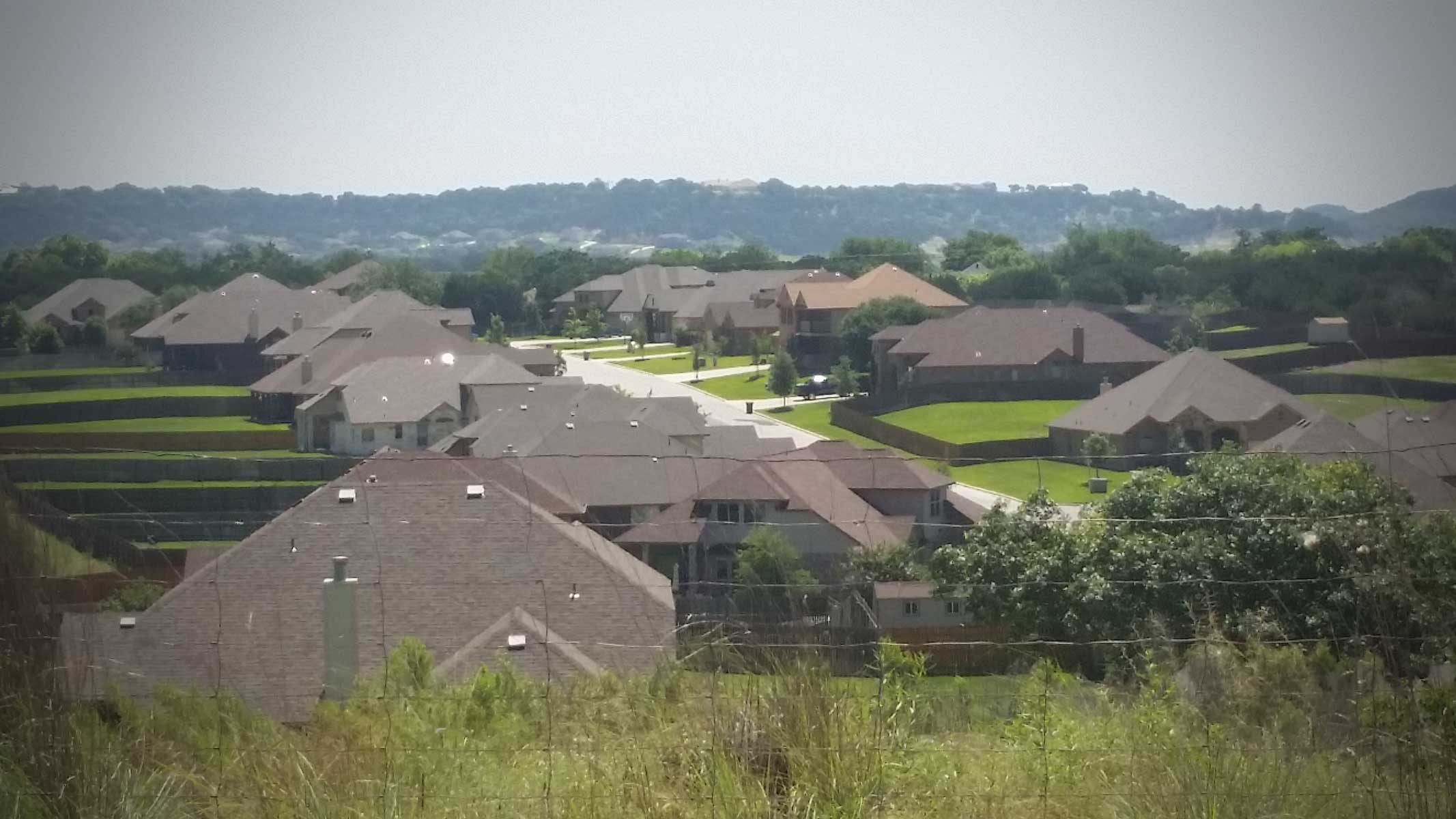
Harker Heights supports practical commercial and industrial projects where access, parking, and tenant-ready delivery matter.
Open location page
Bastrop's continued growth makes it a strong fit for owner-user and industrial-support development that needs clear site control.
Open location page
Dripping Springs rewards clear site strategy and polished execution because terrain and public-facing expectations both influence delivery.
Open location page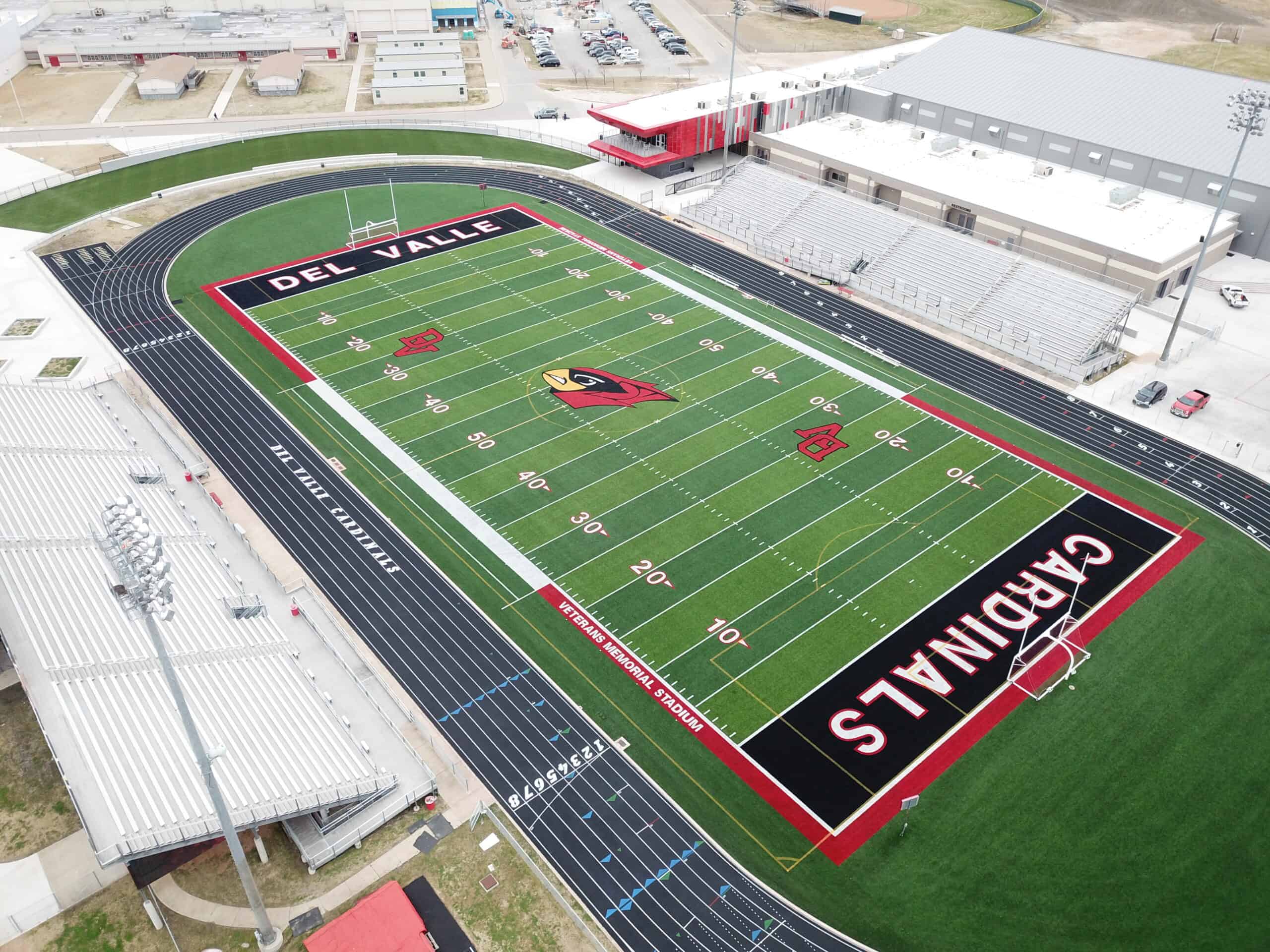
Del Valle has room for industrial and service-oriented projects where freight access and infrastructure planning shape the delivery model.
Open location page